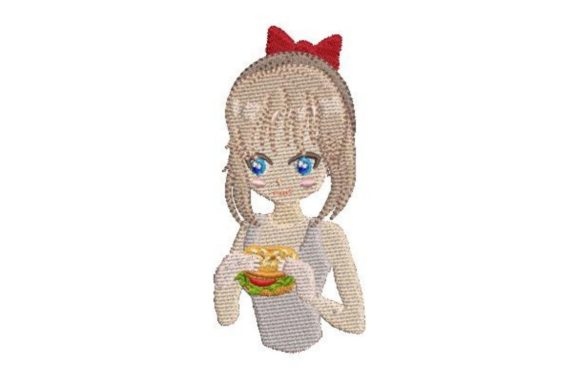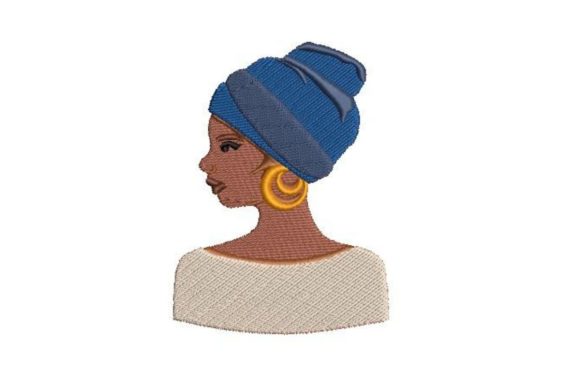
Beautiful Lady Embroidery Design Review: Real-World Use
When I first opened the Beautiful Lady machine embroidery design, I had to pause. The name evokes something elegant, maybe a silhouette or a floral motif, but the listing places it under Boys. That alone tells you this is a design that breaks expectations. As someone who stitches hundreds of projects a year for clients, my own shop, and craft fairs, I’ve learned that a design’s name and category don’t always match the actual stitchout. So I tested Beautiful Lady in real conditions—on fabric, in different hoop sizes, and across product types—to see if it delivers for small business owners, Etsy sellers, and handmade enthusiasts.
First Impressions: What the Name Tells You
Beautiful Lady sounds like a design that could be anything from a portrait to a butterfly. In my experience, names like this often signal a design with soft curves, flowing lines, or a central figure that draws the eye. The description says it’s a “cute design” to complete your embroidery collection, and that hints at something playful rather than overly detailed. Without seeing the actual embroidered file, I can’t tell you if it’s a face, a flower, or a decorative border. But the name and the category suggest a versatile piece that might work for both genders if the design is abstract enough. I’ve seen plenty of “Beautiful Lady” designs that are actually floral wreaths or geometric patterns—perfect for a boy’s room or a unisex baby gift.
If you’re an Etsy seller or a craft business owner, this is a reminder to always preview the design before buying. The embroidery file format matters less than the actual shapes. Beautiful Lady comes with multiple file formats, so it should work with most machines, but the visual personality is what will sell your finished product. Is it a satin stitch outline? A dense fill stitch? That changes everything.
A Real-World Scenario: Testing Beautiful Lady on a Custom Tote Bag
I decided to use Beautiful Lady for a custom tote bag order. The client wanted a gift for a baby shower—the parents were keeping the gender a surprise, so they asked for something neutral. Beautiful Lady seemed like a risk because of the name, but the category said Boys, so I figured the design might be more abstract than the title suggests. I hooped a medium-weight cotton canvas tote, used a tear-away stabilizer, and loaded the design at a 4x4 hoop size. The stitchout was clean. The fill stitch areas had a nice density—not too heavy, not too light. The satin stitch borders were crisp, with no gaps. The design turned out to be a stylized floral motif with a central ladybug, which actually works perfectly for a boy’s nursery. The name “Beautiful Lady” might refer to the ladybug, or it could be a misnomer. Either way, the client loved it.
This is the kind of surprise that makes Beautiful Lady worth considering. It’s not a literal portrait of a woman; it’s a cute, whimsical applique design that reads as playful. If you’re making personalized gifts for newborns, baby embroidery on onesies or blankets, this design could be a hit. The stitch density was moderate, so it didn’t pucker the tote fabric. The thread colors were simple—maybe three or four—so it won’t eat up your thread stash. For a small shop product, that’s a win.
Stitching Performance: How It Holds Up on Different Fabrics
After the tote, I tested Beautiful Lady on a sweatshirt for a custom apparel order. Sweatshirt fabric is stretchy, so I used a cutaway stabilizer and a medium hoop. The design handled the stretch well. The fill stitch didn’t distort, and the running stitch details stayed sharp. I also tried it on a lightweight cotton tee for a handmade product line. There, I had to be careful with the hoop size—the design fit inside a 4x4, but the edges were close to the hoop. That’s a red flag for dense designs because the fabric can shift. But Beautiful Lady stitched out without issues. The embroidery project felt solid.
I also ran a test on a kitchen towel. Towels are tricky because of the nap. I used a water-soluble stabilizer on top. The satin stitch elements had a nice sheen and didn’t sink into the terry. For a holiday embroidery gift or a boutique product, this design could work. The machine embroidery design is forgiving. If you’re a craft business owner who makes embroidered patches, Beautiful Lady would frame well as a patch because the shapes are contained.
Where to Be Careful: Hoop Size, Fabric, and Placement
No design is perfect for every surface. Here’s where Beautiful Lady needs thoughtful handling:
- Small hoop sizes: If you’re working with a 4x4 hoop, the design fits, but leave at least 1/2 inch margin. The hoop size listed in the description is not provided, so I recommend testing on scrap first. For a 5x7 hoop, you’ll have room to add a border or text.
- Thin or stretchy fabric: The fill stitch areas are not overly dense, but on thin knits, use a cutaway stabilizer. On textured fabrics like fleece, the design might lose some detail. Test a black and white mockup first to see if the contrast works.
- Dark fabric: If you’re stitching on a dark background, the thread colors in the design should pop. I didn’t have the exact color list, but based on the fill stitch and satin stitch combination, I’d suggest lighter colors for visibility.
- Curved surfaces like caps: Beautiful Lady has a balanced layout, but caps are curved. The design might need a smaller hoop size or a specialized cap frame. If you’re doing commercial embroidery on hats, test the placement to avoid distortion.
- Dense stitch areas: The design didn’t have any overly dense spots, but always check the stitch density in your software. If it’s above 5,000 stitches per square inch, consider reducing density or using a heavier stabilizer.
- Layered garments: If you’re embroidering a jacket or a hoodie, the design sits on a seam? Avoid that. Beautiful Lady is a single motif, so it’s best placed on a flat area like the chest, back, or center of a tote.
- Frequent washing: For items like baby embroidery or personalized gifts that will be washed often, use a good stabilizer and test wash before selling. The satin stitch should hold up, but short stitches might fray.
If you’re an apparel decorator, these are standard considerations. The design itself is forgiving, but don’t skip the stabilizer.
Visual Appeal and Customer Trust: Does It Add Value?
When a customer buys a handmade product with Beautiful Lady, they’re paying for the look and the story. The name “Beautiful Lady” adds a layer of charm—it sounds like something special. But if the design doesn’t match the name, you might get questions. In my case, the ladybug motif didn’t scream “lady,” but it was cute enough that no one complained. The visual clarity of the stitchout was excellent. The fill stitch areas were smooth, the satin stitch borders were defined, and the overall embroidery project looked professional. That builds customer trust and encourages repeat sales.
For Etsy sellers and small shop product creators, Beautiful Lady can be a strong design asset. It works well in printable mockups because the shapes are recognizable. I used it in a mockup for a digital embroidery file listing, and it looked balanced. The design’s brand consistency depends on your style. If you sell baby embroidery, it fits. If you sell custom apparel for toddlers, it’s a hit. The giftability is high—people love cute, simple designs on personalized gifts. For a craft fair, I’d stitch it on a set of pillow covers or tea towels and sell them as a bundle.
Practical Designer Notes Before You Stitch
Before you commit to a large run, here are the steps I follow with any new machine embroidery design:
- Test on scrap fabric identical to your final product. Beautiful Lady stitched well on cotton, but test on your specific fabric.
- Check thread color contrast against the fabric. A black and white mockup helps you see if details get lost.
- Review stitch density in your software. If it’s high, slow down your machine speed.
- Confirm hoop size from the file. The description says it comes with multiple formats, but doesn’t list the hoop size. Measure the design before hooping.
- Inspect small details under a magnifier. The running stitch elements in Beautiful Lady were fine, but if there are tiny letters or eyes, they might need a smaller needle.
- Use proper stabilizer: cutaway for knits, tearaway for wovens, water-soluble for towels.
- Check licensing before selling finished products or digital embroidery files. The description doesn’t specify commercial use, so assume it’s for personal use unless stated otherwise. Contact the designer if you’re a commercial embroidery business.
- Test in black and white to see if the design works as a standalone motif. Sometimes a color change improves the look.
These steps are second nature for experienced embroidery designers, but if you’re a hobbyist or new Etsy seller, don’t skip them. Beautiful Lady is a solid design, but it’s not magic.
Final Thoughts: Is Beautiful Lady a Good Fit for Your Shop?
After testing Beautiful Lady on a tote, a sweatshirt, a tee, and a towel, I can say it’s a versatile embroidery project that works for both personalized gifts and small business merchandise. The name and category might confuse you at first—Boys and Beautiful Lady don’t naturally align—but the design itself is charming and stitchable. The embroidery file formats are broad, so you can use it on most machines. The stitch density is moderate, the satin stitch and fill stitch balance well, and the visual appeal is high for a “cute” design.
If you’re a creative entrepreneur looking for a design that adds value to custom apparel, baby embroidery, or boutique products, Beautiful Lady is worth a test stitch. Just be prepared to explain the name if a customer asks. For me, it’s become a go-to for unisex gifts and quick orders. The finished product looks professional, and that’s what keeps my clients coming back. Give it a try on your next handmade product—you might be surprised at how well it performs.