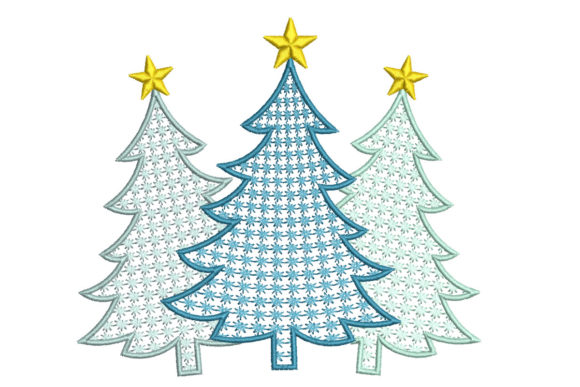
Christmas Trees: A Craft Fair Seller's Review
As someone who has spent years stitching samples, testing thread tension, and setting up booth displays at weekend craft fairs, I have learned to evaluate a machine embroidery design with a critical eye. The design needs to look good up close, read well from a distance, photograph beautifully for online listings, and hold up under the pressure of batch production. When I first opened the Christmas Trees embroidery file, I immediately began picturing how it would perform on the products I know sell best. This review comes from real booth experience, not just a designer's desk. I want to share what works, what to watch out for, and how to turn this digital embroidery file into finished products that customers actually buy.
First Impressions: What Christmas Trees Brings to Your Booth
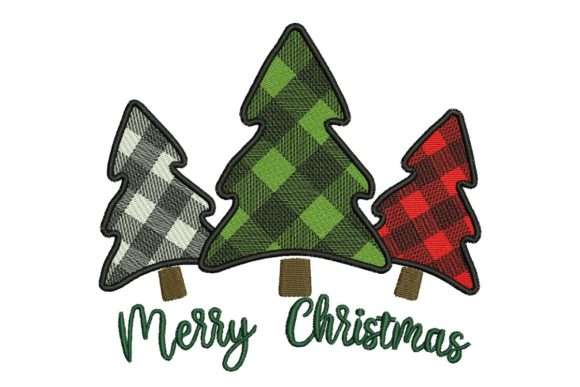
My first impression of Christmas Trees is that it leans into a classic, festive, and slightly decorative mood. It feels elegant without being fussy, and it carries a warmth that appeals to shoppers looking for handmade holiday gifts. The design does not try to be funny or overly modern. Instead, it offers a timeless look that fits well with farmhouse decor, traditional Christmas styling, and even minimalist homes. The name alone suggests a motif that customers recognize instantly. That instant recognition is valuable at a craft fair when a shopper is walking past your booth and needs a reason to stop. Christmas Trees gives you that reason with a clean, inviting silhouette that feels both premium and approachable.
From a product perspective, this design reads as versatile. It is not so large that it dominates a small item, yet it has enough presence to serve as a focal point on a tote bag or apron. The description promises that it is fun and easy to stitch, and that it will look elegant and gorgeous on any fabric. Those are strong claims. In my experience, a design that stitches well on multiple fabric types saves time during production and reduces waste. That alone makes Christmas Trees worth testing for your small shop product lineup.
Testing Christmas Trees on Real Craft Fair Products
When I evaluate a machine embroidery design for craft fair use, I run it through a mental checklist of the products I know move quickly. Tote bags, aprons, tea towels, caps, patches, fabric pouches, pillow covers, and market bags all behave differently under the needle. Christmas Trees, based on its overall structure, appears to adapt well to both soft and structured surfaces. The design does not rely on extremely fine details that would disappear on textured fabric, nor does it appear to have overly dense stitch areas that would cause puckering on lightweight materials. That balance is critical for a craft fair product because you need consistency across multiple items.
I recommend testing Christmas Trees on at least three fabric types before committing to a production run. A medium-weight cotton tote bag, a linen-blend tea towel, and a structured apron will reveal how the design handles different textures. Pay attention to how the thread colors read against the fabric. A design that looks elegant on a white cotton towel may feel less defined on a dark green apron. If you are planning to sell embroidered patches, the design's outline and internal spacing must be clean enough to trim without losing shape. Christmas Trees appears to have that clarity, but always test first.
The Tote Bag Test: Where Christmas Trees Shines Brightest
In my booth, tote bags consistently outsell most other items. They are affordable, functional, and easy to display. Christmas Trees is a natural fit for this product category. The design works well as a centered focal piece on the front of a bag, and it also functions as a smaller accent near the top edge or on a pocket. Customers at craft fairs respond to designs that feel intentional. A well-placed Christmas tree motif signals that the item was made with care, not just mass-produced. That handmade quality is exactly what small shop buyers are looking for.
When stitching Christmas Trees onto a tote bag, consider the hoop size and the placement height. You want the design to sit where the eye naturally lands when the bag is carried. That usually means several inches below the top edge and centered horizontally. If you are using a large hoop, you may be able to stitch multiple items in one session, which speeds up batch production. The design's stitch density should allow for a smooth finish without excessive thread changes. That efficiency matters when you are preparing for a weekend market and need to produce twenty bags in three days.
Aprons and Kitchen Towels: Everyday Holiday Appeal
Aprons and tea towels are staple products for any craft fair embroidery seller. They appeal to home cooks, gift shoppers, and people who love seasonal kitchen decor. Christmas Trees on an apron feels both practical and festive. The design does not need to be large to make an impact. A modestly sized tree near the chest area or on a waist pocket adds a touch of holiday spirit without overwhelming the garment. Shoppers who buy embroidered aprons often want something that feels special but not overly complicated. Christmas Trees delivers that balance.
For tea towels, I suggest using a smaller version of the design if the file includes multiple sizes, or resizing carefully within your software. Towels have a distinct texture, and dense stitching can cause the fabric to pucker or the design to feel stiff. Christmas Trees, with its elegant and straightforward structure, should handle towel fabric well as long as you use the right stabilizer. A tear-away stabilizer works for most towels, but a cut-away stabilizer may be better if the fabric is particularly loose-weave. Always test a scrap towel before running a full batch. The last thing you want is a design that looks gorgeous on cotton but shifts on linen.
Patches, Pouches, and Small Format Products
Small products like fabric pouches, coin purses, and embroidered patches are excellent for low-price point sales at craft fairs. Customers who are not ready to buy a tote bag or apron may still pick up a small pouch as a gift or stocking stuffer. Christmas Trees works well in this format because the design is recognizable even at a reduced size. The tree shape is simple enough to remain clear when scaled down, and it does not rely on tiny lettering or intricate details that would be lost on a small surface.
When stitching onto a pouch or patch, pay close attention to the hoop size and the thickness of the material. Small pouches often have a layer of interfacing or padding that changes how the fabric feeds through the machine. If the design has areas with high stitch density, the needle may struggle to penetrate multiple layers. Christmas Trees appears to be designed with reasonable density, but I always recommend checking the stitch count and reviewing the design in your software before stitching. If you are selling patches, consider using a stiff backing and trimming the design closely. A clean patch edge sells better than a ragged one.
Pillow Covers and Market Bags: Home Decor That Sells
Pillow covers and market bags are popular items in the holiday season. Shoppers love to add seasonal touches to their homes, and an embroidered pillow cover with a Christmas tree motif feels intentional and cozy. Christmas Trees on a neutral or dark fabric creates a refined look that appeals to customers who prefer understated holiday decor. The design does not scream for attention. Instead, it adds a quiet elegance that fits well in a modern farmhouse or a traditional living room.
Market bags are another strong product for this design. They are practical, reusable, and increasingly popular at craft fairs. Embroidering Christmas Trees onto a market bag gives the item a giftable quality that plain bags lack. Customers will pay more for a bag that feels like a finished product rather than a blank canvas. The design's placement on a market bag should be centered on the front panel, with enough margin to avoid the bottom seam. If the bag has a pocket, consider stitching the tree above the pocket line for a balanced composition.
Production Notes: Batch Stitching with Christmas Trees
Batch production is where a machine embroidery design proves its real value. Christmas Trees, based on its description and general structure, appears to be a design that can be stitched repeatedly without frequent thread breaks or tension issues. That reliability is essential when you are producing twenty or thirty items for a single craft fair. Every minute spent rethreading or adjusting tension cuts into your profit margin. Designs that stitch cleanly on the first pass save time and reduce frustration.
Before you start a production run, I recommend testing the design on a sample piece of your target fabric. Check the stitch density, the thread colors, and the overall stitch time. If the design takes longer than expected, you may need to adjust your pricing or limit the number of items per batch. Also, confirm that the embroidery file is compatible with your machine and software. The description states that Christmas Trees comes with multiple formats, but always verify that you have the correct file type before you begin. Nothing slows down production like a file that will not open.
Stitch Density, Fabric Choices, and Stabilizer Tips
Stitch density is one of the most important factors in how a design performs on different fabrics. A design that is too dense can cause puckering, thread breaks, and needle damage. A design that is too loose may look unfinished or lack definition. Christmas Trees, with its elegant and gorgeous description, likely strikes a reasonable balance. However, I always advise designers to inspect the design in their embroidery software before stitching. Look for areas where the stitches are packed tightly, especially in small curves or corners. If you see spots that could cause trouble, consider reducing the density or using a heavier stabilizer.
For dark fabrics, thread contrast becomes critical. A dark green tree on a dark blue fabric will disappear. Choose thread colors that stand out clearly against the base material. Gold, white, red, or light green thread can make the design pop on darker backgrounds. For light fabrics, you have more flexibility, but be careful with pale thread colors that may wash out. The design's elegance depends on visible contrast. Also, consider the fabric texture. Towels, fleece, and knits behave differently than woven cotton. Use the appropriate stabilizer for each fabric type. A cut-away stabilizer is best for stretchy fabrics, while a tear-away works well for stable wovens.
Photographing Christmas Trees for Etsy and Online Listings
If you sell online through Etsy or your own shop, the way you photograph Christmas Trees matters as much as the stitching itself. A design that looks beautiful in person can appear flat or unclear in a photograph if the lighting is poor or the contrast is low. When photographing finished products, use natural daylight or a soft light source that highlights the texture of the embroidery. Avoid harsh shadows that obscure the design details. A close-up shot of the tree motif, paired with a full-product shot, gives customers a clear sense of what they are buying.
Printable mockups are another useful tool for online listings. If you have a digital embroidery file, you can create mockups of the design on different products without stitching every sample. This saves time and allows you to test multiple product ideas before committing to production. However, always include at least one real photo of the actual stitched product. Customers can tell the difference between a mockup and a real item, and authenticity builds trust. For your craft fair booth, display the actual stitched products so shoppers can see the stitch quality, feel the fabric, and appreciate the design's elegance in person.
Final Verdict: Should You Add Christmas Trees to Your Product Line?
After reviewing Christmas Trees from a designer's perspective, I believe this design is a strong addition to any craft fair seller's product lineup. It offers a classic, festive look that appeals to a wide range of customers. It adapts well to tote bags, aprons, tea towels, patches, pouches, pillow covers, and market bags. Its elegant and easy-to-stitch nature makes it suitable for both beginners and experienced embroiderers. The design does not rely on overly complex details, which means it can be produced in batches without constant troubleshooting.
That said, no design is perfect for every application. I recommend testing Christmas Trees on your specific fabric choices before committing to a large production run. Check the stitch density, thread colors, and hoop size. Confirm that the commercial licensing terms allow you to sell finished products. Create at least one real mockup to see how the design looks and feels in person. If the design meets your standards, add it to your product line for the holiday season. Customers at craft fairs respond to well-made, beautifully stitched items that feel thoughtful and intentional. Christmas Trees, with its festive charm and practical stitching profile, gives you a solid foundation for creating those items.