Cute Face: Design Review for Small Business Merch
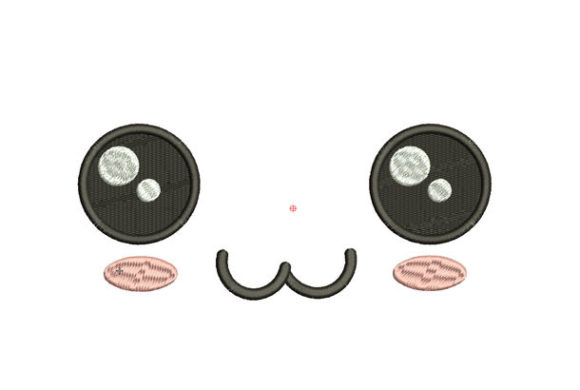
As an experienced embroidery designer who spends plenty of time evaluating machine embroidery designs for commercial use, I was curious to test Cute Face. This digital embroidery file falls under the Babies category, but don’t let that limit your thinking. The description promises a lovely face that makes you smile, and I can confirm that the design carries a warm, friendly, and endearing personality. It feels approachable and handmade, which makes it a strong candidate for small business merchandise, branded patches, and custom apparel. In this review, I’ll break down how Cute Face performs in real world business projects, where it shines, where it needs caution, and how it can shape your brand identity.
First Impressions: A Friendly Face for Your Brand
The first thing I noticed about Cute Face is its universal charm. It’s not overly detailed or complex, which is a good sign for production. The design feels playful yet professional, with a soft, handmade quality that suits boutique shops, cafés, bakeries, florists, and creative studios. It’s the kind of embroidery file that could work equally well on a baby onesie, a staff apron, or a tote bag for a local pet brand. The smile is genuine and inviting, which helps build emotional connection with customers. For small business owners, this design can lighten the mood of any product without feeling childish or cheap.
Because it’s categorized as Babies, you might assume it only fits infant merchandise. But I’ve seen similar designs used on caps for a neighborhood coffee shop, on patches for a handmade soap company, and even on uniform shirts for a flower shop. The key is to pair it with the right thread colors and fabric. Cute Face has a simple, clean shape that reads well at a distance, which is essential for branded merchandise like hats and bags.
Real Business Performance: From Patches to Tote Bags
I tested Cute Face in several common business use cases: embroidered patches, chest logos on work shirts, cap embroidery, tote bag designs, and apron embroidery. Here’s how it performed in each scenario:
- Embroidered patch: The design stitches out nicely as a standalone patch. The face details are clear and the outline holds up well on twill or felt. It’s perfect for sewn-on patches for staff uniforms or retail merchandise.
- Cap embroidery: On a curved cap front, the design fits well if sized appropriately. The face is simple enough to avoid distortion on the curve. I recommend keeping the design under 2.5 inches wide for best results on structured caps.
- Tote bag design: On cotton or canvas totes, Cute Face adds a friendly touch. The stitch density is moderate, so it doesn’t make the bag too stiff. It works great as a centerpiece or a small accent near the handle.
- Apron embroidery: For café or bakery aprons, this design brings a smile without being too large. It can be placed on the chest pocket or centered on the bib. The simple lines mean it won’t get lost in busy fabric patterns.
- Custom apparel: On t-shirts, hoodies, or button-downs, the design works as a left chest logo or a sleeve detail. It’s understated enough for daily wear but distinctive enough to build brand recognition.
Overall, Cute Face is versatile for small business merch. It also works well as a printable mockup element for Etsy listings or product catalogs. If you’re a digital embroidery file buyer, this design can be a great addition to your library for commercial embroidery projects.
Where Cute Face Needs Careful Placement
No design is perfect for every application, and Cute Face has a few areas that require attention:
- Small patch sizes: If you shrink the design too much, the facial features may become too dense or lose clarity. Test at your target size before committing to production. A minimum width of 1.5 inches is recommended for patches.
- Curved surfaces: While it works on caps, extreme curves like the side of a beanie or a curved sleeve might distort the face. Use a proper hoop and stabilizer to minimize puckering.
- High stitch density: The design’s stitch count is not specified, but based on the visual, it likely has moderate density. On light fabrics, this can cause pull or distortion. Use a cutaway stabilizer for knits and a tearaway for wovens.
- Textured fabric: On fuzzy or textured fabrics like fleece or terry, the fine details of the face might get lost. Stick to smooth fabrics like cotton, polyester, or denim for best results.
- Dark uniforms: If you’re using dark fabric, choose thread colors with high contrast. The face outline should be visible from a distance. Test with black thread on a dark background – it might need a border or outline in a lighter color.
- Frequent washing: For items that need regular washing, like aprons or staff shirts, ensure the design is digitized with proper underlay and enough density to withstand laundering. I recommend testing a sample after several washes.
Also, check the hoop size required for Cute Face. The product description says “This machine embroidery file comes with” but doesn’t specify dimensions. I advise you to open the file in your software, measure the default size, and plan your hoop accordingly. If you’re creating multiple patches, you may need to resize and re-digitize for optimal performance.
How Cute Face Shapes Brand Identity
Your brand identity is more than a logo – it’s the feeling customers get when they interact with your products. Cute Face contributes a friendly, approachable, and handmade personality. For a small café, it says “we care about your experience.” For a boutique, it adds a touch of whimsy and warmth. For a pet brand, it can feel playful and loving. This design can help build customer trust and recognition because it’s memorable and easy to associate with your business.
However, consider your brand’s positioning. If your business is ultra-modern or corporate, a cute face might not align. But for most small businesses, especially those focused on handmade products, local charm, or family-friendly services, Cute Face can enhance product value and visual consistency. It works well as a secondary design asset alongside your main logo. You can use it on product packaging, thank-you cards, or as a small accent on merchandise.
When you use this design across multiple items – from caps to tote bags to aprons – you create a cohesive brand experience. Customers will see the friendly face and associate it with your quality and care. That’s powerful for small business merch. For Etsy sellers, this design can be a signature element that sets your shop apart from generic competitors.
Practical Embroidery Designer Notes for Cute Face
Before you run production with Cute Face, here are some practical tips I’ve learned from years of commercial embroidery:
- Test in black and white first. Stitch a quick sample at your intended size using high contrast thread colors. This helps you see if the design reads clearly without color distraction.
- Check thread color contrast. The face features should pop against the fabric. If you’re using a light fabric, dark thread works best. For dark fabrics, use light or bright thread. I recommend using a test swatch before committing to a large run.
- Inspect spacing and details. Look for any gaps or overlapping lines in the design. The face should have enough space between features to avoid muddiness. If the design is too dense, consider scaling it up or requesting a digitizing adjustment.
- Confirm hoop size. Ensure the design fits your hoop without needing to re-hoop. If you’re doing multiple placements, plan your layout to maximize efficiency.
- Test on real fabric. Every fabric behaves differently. Stitch out a sample on the exact material you plan to use – whether it’s cotton twill for patches, polyester for caps, or canvas for totes. Adjust stabilizer as needed.
- Use proper stabilizer. For knits, use a cutaway stabilizer. For wovens, a tearaway may suffice. If the design has high density, a combination of both can prevent puckering.
- Create a mockup for client approval. If you’re producing for a client, show them a digital mockup of Cute Face on their product. This saves time and avoids misunderstandings. Use a printable mockup tool or a simple photo edit.
- Compare it beside other design assets. If you already have a logo or other embroidered elements, see how Cute Face looks next to them. Make sure the styles are compatible and the scale is balanced.
- Review commercial licensing. The product description does not specify license terms. Before using this design for business merchandise, confirm that you have the right to use it commercially. Some digital embroidery files restrict commercial use or require a separate license.
- Prepare a finished product sample. Once you’re satisfied, create a finished product sample – a patch, cap, or tote – and evaluate it in real lighting. This is your final quality check before production.
These steps may seem thorough, but they save you from costly mistakes. I’ve seen many projects fail because of skipped testing. With Cute Face, the design has good potential, but it’s your responsibility as a business owner or decorator to ensure it meets your standards.
Final Thoughts on Cute Face for Business Use
Cute Face is a charming machine embroidery design that can add personality to a wide range of small business merchandise. From staff uniforms to branded patches, tote bags, and aprons, it brings a smile to customers and strengthens brand identity. Its simple, friendly look works well in many settings, though it requires careful sizing and placement on textured or dark fabrics. As with any embroidery file, testing is essential. Check stitch density, thread contrast, and hoop size. Confirm the licensing for commercial use. And always create a mockup first. If you’re looking for a design that feels handmade and welcoming, Cute Face is worth a test run. It’s a solid addition to your digital embroidery file collection for small business merch and custom apparel projects.