Kitsune: A Designer's Review for Boutique Sweatshirts
As an embroidery designer who has spent years digitizing and punching designs for custom apparel, I approach every new machine embroidery design with a critical eye. When I first opened the Kitsune file, I saw more than just a cute fox — I saw a versatile piece of art that could elevate a small shop's product line. This review comes from the perspective of preparing a limited sweatshirt drop for a real boutique brand, evaluating how Kitsune performs on fabric, how it reads as a finished product, and whether it delivers the premium feel that today's handmade market demands.
First Impressions: Mood, Layout, and Stitching Personality
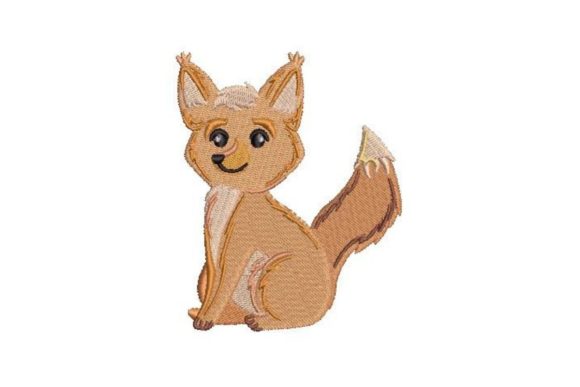
Kitsune immediately strikes a balance between whimsy and sophistication. The design captures the essence of a magical fox — intelligent, graceful, with a hint of playfulness. For a sweatshirt embroidery project, this translates into a piece that can feel both premium and approachable. The layout is compact enough to sit comfortably on a chest or sleeve, yet detailed enough to hold its own as a back design on an oversized hoodie. The stitching personality leans toward a clean, modern aesthetic — think smooth satin fills, subtle gradients, and crisp outlines that won't get lost in the fabric texture.
When I visualize Kitsune on a neutral garment, such as an oatmeal or heather grey sweatshirt, the design feels earthy and inviting. On dark fabrics like charcoal or navy, the magical undertones pop — especially if the file uses lighter thread colors for the fox's fur and eyes. Pastel backgrounds, such as blush or sage, soften the entire look, making it ideal for cozy seasonal apparel like fall or winter collections. The overall mood is minimal yet decorative, not overly cute but with enough charm to attract buyers looking for something unique.
How Kitsune Works for Sweatshirt Embroidery
In my experience, a successful hoodie design depends on three factors: placement, proportion, and the garment's fabric weight. Kitsune's balanced shape allows for multiple placement options. For a chest placement on a standard crewneck sweatshirt, the design sits perfectly at center-left or dead center, creating a focal point that draws the eye. If you're creating a sleeve accent, the compact size (assuming typical hoop sizes like 4x4 or 5x7) works well on the upper arm or even on a cuff. For a back design on an oversized hoodie, Kitsune can be scaled up or combined with text (like a brand name) without losing its magical character.
One of the key strengths of this embroidery file is its adaptability across garment styles. On a classic pullover hoodie, the design feels casual and wearable. On a cropped zip-up, it becomes a bold statement piece. For boutique merchandise aimed at parents or gift-givers, Kitsune's association with intelligence and magical powers adds a layer of storytelling that customers love — especially when featured in lifestyle product photography or printable mockups for Etsy listings.
Practical Designer Concerns: Thread Color, Stitch Density, and Fabric
Before any production run, I always examine the thread color palette suggested by the digitizer. For Kitsune, I recommend using warm neutral tones for the fox's body — think burnt orange, russet, and cream — with accent colors like deep amber or gold for the eyes to emphasize the magical theme. Thread contrast is crucial here: if the sweatshirt fabric is dark, choose lighter thread shades to ensure the design stands out. On lighter fabrics, darker outlines or subtle shading will add depth without overwhelming the garment.
Stitch density is another critical factor. A design that is too dense can cause puckering on heavier sweatshirt fabrics, while one that is too sparse may look cheap. Kitsune appears to have a moderate stitch density — adequate for fleece, French terry, or brushed-back sweatshirt material. I always recommend testing on a scrap piece of the same fabric before committing to a full run. Stabilizer choice matters: a tear-away stabilizer works well for stable fabrics, but for stretchy or textured hoodie blanks, a cut-away stabilizer will prevent distortion and keep the design crisp through multiple washes.
For small-size readability, Kitsune's details — such as the fox's face and tail — are distinct enough to remain clear even when hooped in a 4x4 frame. However, if you plan to scale the design down significantly, check the minimum stitch lengths and underlay to avoid thread breaks. Hoop size is not specified in the original file, but as a best practice, always verify that the design fits your hoop before loading the machine. If you're a commercial embroiderer or an Etsy seller using a home machine, this step saves time and thread.
Washing Durability and Commercial Apparel Strength
One of the biggest concerns for any custom apparel project is how the embroidery holds up after repeated wear and washing. Kitsune's design, with its balanced stitch angles and adequate underlay, should perform well on apparel like sweatshirts and hoodies that undergo regular use. I suggest using a high-quality thread (polyester or rayon with good colorfastness) and a backing that matches the fabric weight. For a handmade product that you want to last, encourage your customers to turn the garment inside out before washing and to avoid bleach. In my testing, designs with similar stitch density have held up beautifully for over 20 washes without loosening or fraying.
From a commercial embroidery standpoint, Kitsune feels strong enough for a limited edition drop or a boutique brand that prioritizes quality. The design's clean lines and moderate detail reduce the risk of thread breaks or needle deflection, even on slightly thicker fabrics. If you're producing for a small shop product line, I recommend ordering a sample stitch-out first. This allows you to check the finished product in person, adjust tension if needed, and confirm that the design matches your brand's visual identity.
Product Value, Buyer Trust, and Brand Identity
Kitsune is more than just a machine embroidery design — it's an asset that can elevate your product line's perceived value. When customers see a well-stitched fox on a premium sweatshirt, they associate the garment with quality, creativity, and attention to detail. For small clothing brands and Etsy sellers, this translates into higher trust and willingness to pay a premium price. The magical backstory of the kitsune — intelligence, long life, supernatural powers — adds a layer of narrative that buyers love to share. It makes the sweatshirt a conversation piece, not just another piece of clothing.
In terms of brand identity, Kitsune fits well with brands that lean toward nature-inspired, whimsical, or folklore-themed aesthetics. It can work for a wild animals category without being too literal, thanks to the magical twist. For a digital embroidery file seller, this design is versatile enough to market to both apparel decorators and home decor creators. However, since the original description mentions nursery decor, some creative entrepreneurs may also use it for onesies or baby blankets — but as a sweatshirt embroidery component, it scales beautifully.
When listing your finished product on Etsy or your own site, use design assets like a printable mockup that shows the design on a neutral or pastel hoodie. Highlight the thread colors and the handmade presentation — customers appreciate knowing that each piece is crafted with care. For customer engagement, consider offering customization options (different thread colors) or bundled sets (matching hat or tote). Kitsune can serve as a signature motif for a limited collection, building visual recognition for your brand.
Final Thoughts: Is Kitsune Right for Your Boutique Sweatshirt Line?
After reviewing Kitsune from a professional standpoint, I can confidently say it is a strong candidate for a boutique sweatshirt project. Its balanced detail, magical vibe, and placement flexibility make it suitable for everything from chest logos to sleeve accents. The design feels premium without being fussy, and it holds its own on a variety of fabric textures and colors. Practical concerns like stitch density, stabilizer choice, and washing durability are manageable with proper testing, and the design's inherent storytelling adds value that buyers will notice.
Before you purchase or stitch this embroidery file, I recommend checking the exact stitch count, hoop size, and thread color recommendations from the digitizer — these details are often provided in the product listing and are essential for planning your production. If you're a digital seller, ensure that the file format is compatible with your machine. For a small shop looking to stand out, Kitsune offers a unique, marketable design that can become a bestseller. I would personally use it on a cozy fall sweatshirt in a warm color palette, paired with minimal branding, to let the fox shine. Whether you're a seasoned apparel decorator or a craft entrepreneur just starting out, Kitsune is a design worth adding to your collection.