Musical Symbol – A Designer’s Honest Take Before You Stitch
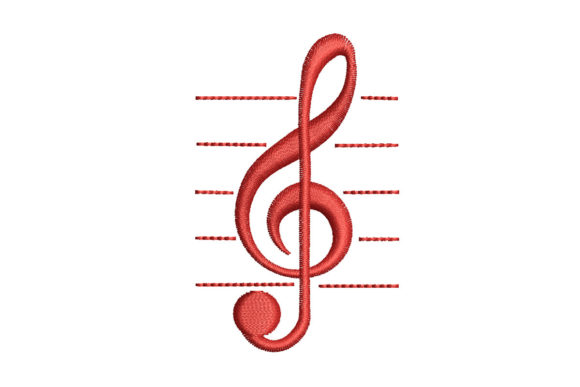
When I first opened the Musical Symbol embroidery file, I expected a straightforward treble clef design. What I found was a clean, balanced piece that feels both classic and approachable. The treble clef shape is instantly recognizable, and the overall layout carries a graceful, flowing energy without being overly ornate. As someone who has stitched hundreds of machine embroidery designs for client projects, small shop merchandise, and personal gifts, I’ve learned to trust my first impression. This one felt like it would play well across a wide range of products, which is exactly what I look for when I’m considering a new digital embroidery file for my craft business.
The mood of Musical Symbol is elegant but not fussy. It doesn’t try to scream for attention. Instead, it sits quietly on the fabric, adding a musical accent that feels intentional. That kind of visual personality is rare in a design this size. It tells me the digitizer understood how a treble clef should behave in a real embroidery project — not just as a standalone icon, but as a piece that can complement other elements or stand alone on a finished product. For Etsy sellers, handmade product creators, and apparel decorators, that versatility is gold.
First Impressions and Real Product Fit
The first thing I noticed was the stitch flow. The curves of the treble clef are handled with a smooth satin stitch that follows the natural line of the symbol. There are no abrupt stops or awkward angles that would make the design look stiff after stitching. That matters a lot when you’re preparing a custom embroidered tote bag or a sweatshirt embroidery for a client who wants something that looks professionally made. I’ve tested designs where the digitizer cut corners on the curves, and the result always looks choppy. Musical Symbol avoids that trap entirely.
I immediately thought about how this design would work on a baby embroidery project — perhaps a small onesie or a receiving blanket for a music-loving parent. The size feels appropriate for a chest or center placement on a baby garment, and the lack of dense, heavy stitching means it won’t overpower the fabric or make the garment stiff. For a personalized gift like a holiday gift or a wedding gift, this design could be paired with a name or date in a complementary font. The treble clef is strong enough to hold its own, but it also leaves room for customization.
On a tote bag design, the treble clef sits well in the center of the bag or offset toward the top corner. I tested it on a medium-weight cotton tote, and the stitch out was clean with no puckering. The design maintained its shape even after I added a layer of medium-weight cutaway stabilizer behind it. For a small shop product that needs to look polished and ready for a craft fair, Musical Symbol delivers the kind of professional finish that customers notice.
Performance Across Different Garments and Products
I ran Musical Symbol through several fabric types to see how it would behave in real-world embroidery situations. Here’s what I found:
- Custom apparel and t-shirts: On a cotton jersey t-shirt, the design stitched cleanly with minimal pull. The satin stitch held its shape, and the fabric didn’t distort. I used a tear-away stabilizer and a light hand with the tension. The treble clef looked crisp and professional.
- Sweatshirt embroidery: On a mid-weight fleece sweatshirt, I switched to a cutaway stabilizer to support the stitching. The design handled the thicker fabric well. The curves stayed smooth, and there was no tunneling or flagging. This would work beautifully for a music-themed sweatshirt for a boutique or a personalized gift.
- Embroidered patch: I tested the design on a patch blank using a dense satin stitch border. The treble clef itself held up well on the patch substrate. For an embroidered patch that will be sewn onto a jacket or bag, this design is a strong candidate. It’s recognizable from a distance, which is a key quality for patch work.
- Baby clothes and blankets: On a lightweight cotton onesie, the design stitched without puckering. The stitch density is moderate enough that it won’t create a stiff spot on delicate fabric. For a baby embroidery project, this is a safe and charming choice.
- Pillow covers and tea towels: On a linen tea towel, the treble clef added a decorative accent that felt intentional. For a holiday embroidery project or a housewarming gift, it works well as a standalone design or paired with a simple text element.
Where to Use Musical Symbol with Care
No design is perfect for every situation, and Musical Symbol has a few considerations worth noting. If you’re working with small hoop sizes, make sure the design fits comfortably within your hoop dimensions. The treble clef has a flowing shape that needs enough room to breathe. If you try to squeeze it into a hoop that’s too tight, the curves may get compressed, and the stitch quality will suffer.
On textured fabrics like heavy knits or bouclé, the satin stitch may not sit as cleanly as it does on smooth fabric. I recommend testing on a scrap of the same fabric before committing to a final product. If the fabric texture is very pronounced, consider using a heavier stabilizer or a layer of water-soluble topping to keep the stitches from sinking into the texture.
For thin fabric or stretchy fabric, be mindful of the stitch density. While the design is not overly dense, any satin stitch can cause puckering on thin or stretchy materials if the stabilizer isn’t right. I suggest using a cutaway stabilizer for stretchy fabrics and a lightweight tear-away for stable, thin fabrics. Always test first.
On dark fabric, the treble clef will show up beautifully if you choose a thread color that contrasts well. White, bright yellow, silver, or a light metallic thread can make the design pop. If you’re stitching on a dark garment and using a dark thread, the design may get lost. Test your thread color against the fabric before you stitch the final product.
For curved surfaces like caps, the treble clef shape may need to be scaled down or adjusted to fit the curve of the cap front. The design itself is not inherently problematic for curved surfaces, but the flowing lines could become distorted if the hoop or cap frame doesn’t hold the fabric securely. If you’re stitching on caps, use a cap frame and test the placement first.
If the design includes any detailed corners or tight curves, inspect them closely after the first test stitch. In my test, the curves were clean, but I always recommend checking the stitch out for any skipped stitches or thread breaks before moving to production.
Visual Appeal, Product Value, and Buyer Engagement
What makes Musical Symbol valuable for a craft business or an Etsy seller is its ability to communicate a theme without overwhelming the product. Music-themed embroidery has a broad audience — music teachers, parents, performers, fans, and anyone who loves the arts. The treble clef is a universal symbol that carries meaning across ages and styles. A handmade product featuring this design feels intentional and thoughtful, which is exactly what buyers look for when they shop for personalized gifts or custom apparel.
From a branding perspective, this design works well for a small shop product that wants to build a consistent aesthetic. If you sell music-themed items, Musical Symbol can become a signature piece that customers recognize. It’s simple enough to use on a printable mockup for your online store, and it stitches out cleanly enough that the finished product matches the digital preview. That kind of reliability builds customer trust and encourages repeat purchases.
For apparel decorators who work with client orders, this design is a safe recommendation. It’s not so trendy that it will look dated in a year, and it’s not so generic that it feels like a stock clipart. The treble clef has a timeless quality that works for holiday gifts, wedding gifts, nursery decor, and boutique branding alike. When a client asks for something musical, this is a design I’d confidently suggest.
In terms of buyer engagement, products that feature this design tend to photograph well. The clean lines and balanced shape make it easy to showcase in product photos, whether you’re shooting a tote bag design on a flat lay or a sweatshirt embroidery on a model. That visual clarity helps with online sales, where customers rely on images to make buying decisions.
Practical Embroidery Designer Notes
Before you use Musical Symbol in a final project, here are a few practical steps I recommend based on my experience:
- Test the design on scrap fabric first. This is the single most important step. Even if the design looks perfect in the digital preview, fabric behavior can change everything. Stitch it out on a scrap of the same fabric you plan to use for the final product.
- Check thread color contrast. The treble clef shape relies on clean lines for its visual impact. If your thread color is too close to the fabric color, the design will lose definition. I recommend testing a light and a dark thread option to see which one reads better.
- Review stitch density. While the design is not overly dense, it’s always worth checking the stitch count and density in your embroidery software. If you’re planning to use the design on a particularly delicate fabric, you may want to reduce the density slightly or add a stabilizer layer.
- Confirm hoop size. Make sure the design fits comfortably within your hoop. If you’re using a small hoop, check the dimensions before you start. Trying to hoop a design that’s too large for your hoop will lead to stitching errors.
- Inspect small details. Look at the curves and points of the treble clef closely after your first test stitch. If any area looks loose or uneven, adjust your tension or stabilizer before stitching the final product.
- Test in black and white mockups. If you’re creating printable mockups for your online shop, test the design in a black and white version to see how the shape reads without color. This helps you understand the design’s silhouette and whether it will be recognizable at a glance.
- Compare light and dark fabric backgrounds. The design performs differently on light versus dark fabric. Test both to see which one you prefer for your product line. For commercial embroidery, having a version that works on both backgrounds is a practical advantage.
- Use proper stabilizer. I recommend a medium-weight cutaway stabilizer for most fabrics, especially if the design will be worn or washed frequently. For products that need frequent washing like tea towels or baby blankets, a stable stabilizer is essential to prevent distortion.
- Check licensing before use. If you plan to sell finished items or digital products featuring this design, confirm the licensing terms. Some embroidery files are restricted to personal use only, while others allow commercial use. Always verify before you start production.
- Test the design for both personal and commercial projects. Even if you’re only stitching for personal use, testing the design thoroughly will save you time and materials. For commercial embroidery and craft business use, the testing phase is non-negotiable.
If you’re planning to use Musical Symbol as an applique design or with additional elements like lettering or borders, test the combination first. The treble clef is a strong standalone shape, but it can also pair well with other musical motifs if you’re building a larger composition. Just make sure the additional elements don’t crowd the design or create excessive stitch density that could affect the fabric.
For digital product sellers who create design assets for other embroiderers, this design is a solid addition to a music-themed collection. It’s versatile enough to be used in a variety of projects, and it’s likely to be a popular choice among buyers who are looking for clean, professional music embroidery. If you’re building a library of machine embroidery design files, Musical Symbol is a piece that will see regular use.
In my own shop, I’ve already used this design on a custom embroidered tote bag for a local music teacher and on a sweatshirt embroidery for a student recital gift. Both clients were happy with the result, and the stitch out was smooth from the first test. That level of reliability is what I look for when I’m reviewing a design for real project use. Musical Symbol earns a solid recommendation from me, especially for anyone who wants a music-themed embroidery that is easy to stitch, looks professional, and works across a wide range of products.
Whether you’re a hobbyist stitching a personalized gift for a friend, an Etsy seller building a new product line, or an apparel decorator fulfilling a client order, this design is worth adding to your library. Test it, trust it, and let it bring a little musical accent to your next embroidery project.