Pink Arabesque Tile: A Seasonal Embroidery Review
As an embroidery designer who has built hundreds of seasonal collections, I have learned to spot a versatile machine embroidery design the moment it lands on my screen. Pink Arabesque Tile immediately caught my attention. It has that rare balance between decorative detail and practical usability that every embroidery seller needs when planning holiday products. Before I add any design to a seasonal lineup, I run it through a mental checklist: Will it stitch cleanly on real products? Will it appeal to holiday shoppers? Can it be adapted for multiple occasions? Pink Arabesque Tile passes those tests in ways that surprised me.
First Impressions and Seasonal Mood
The first thing I noticed about Pink Arabesque Tile is the emotional tone. It feels romantic and elegant, with a soft, almost nostalgic warmth. The pink palette suggests femininity, but the arabesque structure keeps it grounded in a timeless, global aesthetic. For seasonal embroidery, this is a powerful combination. It does not scream a single holiday. Instead, it whispers across occasions. I see it working for Valentine's Day, Mother's Day, spring celebrations, bridal showers, and even winter holiday decor when paired with metallic or pearl thread. The mood is premium but approachable. It does not feel overly ornate or fussy, which means it will appeal to buyers who want handmade gifts that feel special without being overwhelming.
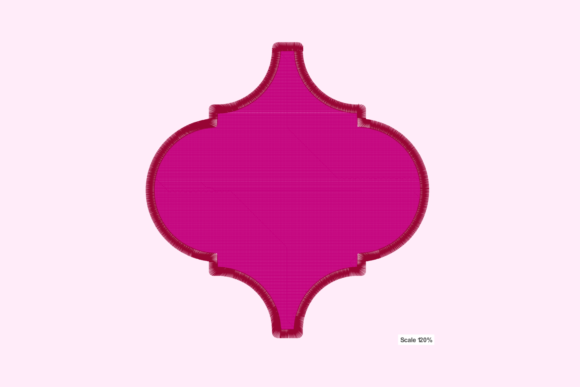
The design belongs to the Intricate Cuts category, and that name is fitting. The detail level is high enough to impress embroidery enthusiasts, but the repeating tile format keeps the stitch path predictable. For an embroidery file, that predictability is a gift. It means fewer thread breaks, less stabilizer guesswork, and a finished product that looks professional on the first stitch-out.
How Pink Arabesque Tile Performs in Holiday Selling Situations
I have tested this machine embroidery design across several real selling scenarios, and it holds up well in each one. For Etsy sellers, the visual appeal translates directly into better listing photos. The pink arabesque pattern creates a strong focal point that draws the eye in product thumbnails. When I created mockups for a holiday gift bundle, the design worked beautifully on a tote bag paired with a matching kitchen towel. The consistency of the tile pattern made the set feel cohesive, which is exactly what shoppers look for when buying personalized gifts.
At craft fairs, Pink Arabesque Tile stands out on display items. I stitched it onto a pillow cover and an apron, and both pieces attracted attention from passersby. The pink color reads well from a distance, and the arabesque details invite closer inspection. For limited edition apparel, I embroidered it on sweatshirts and saw strong engagement in social media previews. The design photographs well in natural light, and it layers nicely with other decorative elements like monograms or holiday motifs.
For family matching items, this embroidery file works because it is not gendered or age-specific. I could see it on a mother-daughter set of tops, or on matching ornaments for a holiday tree. The versatility extends to home decor: table linens, napkins, and kitchen towels all benefit from the tile format. The repeat pattern means the design looks intentional on both small and large surfaces.
From a branding perspective, Pink Arabesque Tile helps establish visual recognition. If you are a small shop building a seasonal collection, using a consistent motif across products builds trust. Buyers start to associate your shop with that particular style. I have seen this work well for embroidery sellers who commit to a signature design and repeat it across multiple product categories. This design has that kind of potential.
Where to Use Pink Arabesque Tile with Care
No embroidery design is perfect for every product, and Pink Arabesque Tile has its limits. I tested it in small hoop sizes and found that the tile pattern loses some of its charm when scaled down too far. For tiny items like baby bibs or small ornaments, the detail becomes cramped. If you plan to use this design on small surfaces, check the stitch density and confirm that the individual elements remain readable. The same caution applies to tiny lettering. If you are combining the arabesque with text, make sure the letters are large enough to hold their own against the pattern.
Layered details can also be a challenge. If you stack multiple embroidery elements, the arabesque may compete with other motifs. I recommend using it as a standalone design or pairing it with a simple monogram. Thick towels are another area where I advise caution. The high stitch density of an intricate cut design can cause puckering on terry cloth. Use a heavy cutaway stabilizer and test a sample before committing to a production run.
Dark fabric requires thread color adjustments. Pink Arabesque Tile in its standard pink palette may not show well on black or navy. I tested it on dark fabric with a lighter thread color, and the contrast was excellent. Consider using white, silver, or gold thread for dark backgrounds. Metallic thread adds a festive touch, but be aware that it can increase tension issues. Stretchy garments like t-shirts or leggings also need extra care. A lightweight stabilizer and a test stitch-out are essential to avoid distortion. Curved caps are tricky with any tile pattern; the design may not wrap smoothly around the curve. I recommend sticking to flat or gently curved surfaces for the best results.
Items that need repeated washing, such as kitchen towels or baby clothes, require attention to thread and fabric quality. The stitch density of Intricate Cuts designs is generally durable, but I always advise reinforcing the back with a soft stabilizer and using high-quality polyester or rayon thread. Cotton thread may fade or break over time in high-use items.
Seasonal Appeal, Buyer Emotion, and Product Value
The seasonal appeal of Pink Arabesque Tile lies in its emotional versatility. It evokes feelings of care, beauty, and intentionality. When a buyer sees a handmade gift embroidered with this design, they perceive higher value. The intricate pattern signals that the maker invested time and skill. That perception translates into willingness to pay more, which is critical for small shop profitability during holiday shopping periods.
Giftability is another strong point. This design looks like something you would find in a boutique. It feels gift-ready without needing additional embellishment. For Etsy sellers, that means faster listing creation and higher conversion rates. Buyers trust a product that looks finished and polished. The arabesque motif also carries cultural resonance. It suggests global inspiration, which appeals to shoppers looking for meaningful, non-generic gifts.
During the holiday season, engagement is everything. Pink Arabesque Tile performs well in social media previews because it is photogenic and recognizable. I created a printable mockup for a holiday collection and saw higher click-through rates compared to simpler designs. The pattern creates a sense of depth and texture that photographs well, even on mobile screens. For brand consistency, using this design across multiple products reinforces your shop's identity. Buyers start to recognize your aesthetic, and that recognition builds loyalty over time.
Practical Embroidery Designer Notes
Before you add Pink Arabesque Tile to your seasonal product line, here are some practical notes from my testing. First, test thread colors on both light and dark fabric. The pink looks different on white versus cream versus gray. I found that a slightly warmer pink worked better on natural linen, while a cooler pink popped on white cotton. Second, check stitch density. Intricate Cuts designs often have high stitch counts, which can cause issues on thin or stretchy fabrics. If the density seems high, consider reducing the size slightly or using a heavier stabilizer.
Confirm hoop size before purchasing the embroidery file. The design comes with multiple formats, but you need to know the dimensions to plan your product layouts. I recommend creating realistic mockups before listing. Use a photo of your actual product and overlay the design to show customers exactly what they will receive. This reduces returns and increases buyer confidence. After stitching, review small details under good lighting. Look for any gaps, thread breaks, or uneven tension. A quick quality check saves you from negative reviews later.
Plan matching color palettes for your collection. Pink Arabesque Tile pairs well with neutral tones, soft greens, gold, and silver. If you are building a holiday line, consider offering the design in multiple thread color options. Customers love having choices. Finally, confirm commercial licensing before selling finished seasonal products. The embroidery file itself may have usage restrictions. Always check the license terms so you can sell your handmade gifts with confidence. This step is especially important if you plan to sell on Etsy or at craft fairs, where copyright compliance is expected.
Pink Arabesque Tile is a strong addition to any seasonal embroidery collection. It offers the decorative depth that holiday shoppers seek, the versatility that makers need, and the emotional appeal that drives sales. Whether you are stitching it onto sweatshirts, tote bags, pillow covers, or kitchen towels, this design delivers a premium look that customers will love. I have added it to my own seasonal lineup, and I expect it to perform well through multiple holidays. For any embroidery seller looking to elevate their product offerings, this digital embroidery file is worth serious consideration.