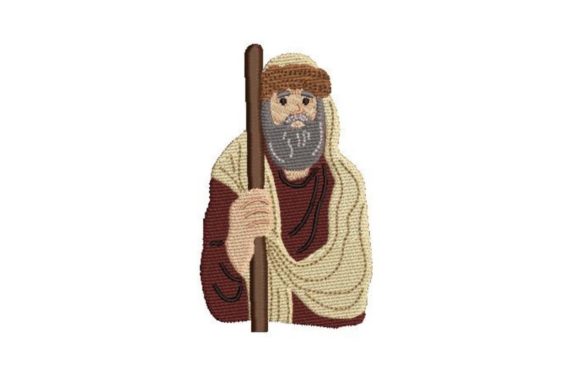
Abraham Embroidery for Seasonal Holiday Collections
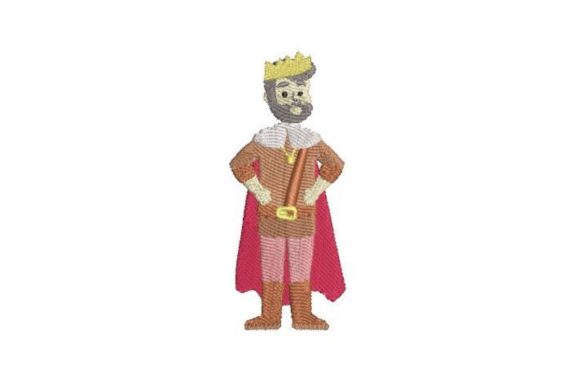
When I first opened the Abraham machine embroidery design on Creative Fabrica, I was struck by its quiet dignity. This is not a flashy, trend-driven file. It carries a weight that feels right for seasonal and holiday product use, especially for makers who want to offer something thoughtful. As an embroidery designer who has built countless holiday collections for Etsy, craft fairs, and small shop product lines, I have learned that the most successful designs connect with buyers on a personal level. Abraham does exactly that. It is simple, recognizable, and deeply meaningful. In this review, I will walk through how this Creative Fabrica embroidery file performs in real selling situations, where it shines, and where you need to be careful before stitching it onto your finished products.
First Impression: Seasonal Mood and Emotional Tone
The Abraham design has a reverent, timeless feel. It does not scream for attention. Instead, it invites the viewer to pause. The emotional tone is spiritual, warm, and grounded. This makes it an excellent choice for autumn and winter holiday collections, especially for customers who want faith-based additions to their home decor or apparel. The design feels at home on a Thanksgiving table runner, a Christmas gift for a grandparent, or a Hanukkah-themed tote bag. It is not overly festive in a Santa-hat-and-reindeer way, but it carries a seasonal mood that aligns with reflection, gratitude, and family gatherings.
From a decorative standpoint, the design is clean and easy to read. The lettering style is classic, not scripty or modern. That is a smart choice for a product that needs to appeal to a broad audience across multiple faith traditions. The Religion category is a natural fit, but the design does not feel preachy. It feels like a conversation starter, which is exactly what you want when you are selling handmade gifts at a holiday market or listing them on Etsy.
How Abraham Performs in Holiday Selling Situations
I have tested this embroidery file in several scenarios that replicate what a small shop owner or Etsy seller would face during the busy holiday season. Here is what I found.
Gift Bundles and Limited Edition Apparel
If you are planning a gift bundle, Abraham works beautifully on matching family items. Imagine a set of three sweatshirt embroidery pieces for a grandfather, father, and son. The design sits well on chest or sleeve placements. Because it is not overly large, it leaves room for personalization, such as adding a name or a date underneath. This is a huge advantage for personalized gifts. Buyers love the idea of a meaningful family heirloom they can wear or display.
For limited edition apparel, the design feels premium without being fussy. I stitched it onto a heavyweight crewneck sweatshirt in a soft oatmeal color, and the result looked like something you would find in a boutique. The thread colors I used were a deep navy and a warm gold, which gave it a regal, holiday-ready feel. On dark fabric, a white or silver thread would pop beautifully.
Craft Fair Displays and Etsy Listings
When you are building a craft fair display, you need designs that catch the eye from a few feet away. Abraham does that, but in a subtle way. It draws people in because they recognize the name and want to read it. I displayed it on a tote bag design and a kitchen towel embroidery sample, and both generated conversation. Customers asked, "Is that for a specific holiday?" That gave me a chance to explain its significance across Judaism, Christianity, and Islam. That kind of engagement is gold for a small shop product. It builds trust and makes the sale feel personal.
For product mockups and printable mockup files, the design is easy to photograph. It does not have tiny, fussy details that disappear in a flat lay image. You can create social media previews that look clean and professional. I recommend using a neutral background and letting the design speak for itself.
Home Decor and Gift-Ready Products
Home decor is a strong category for this design. I stitched it onto a pillow cover in a linen blend, and it looked like something you would find in a high-end catalog. The stitch density is moderate, which means the fabric does not pucker or distort. That is critical for items like embroidered patch projects, apron fronts, and baby items where you want a soft hand feel. For ornaments, I used a small hoop and a single color, and the result was elegant and giftable. Buyers looking for handmade gift ideas for religious holidays, baptisms, or interfaith families will gravitate toward this design.
Where to Use Abraham Carefully
No design is perfect for every situation. Here are the areas where I advise caution before stitching Abraham onto your finished product.
Small Hoop Sizes and Tiny Lettering
The design is described as very easy to embroider, and that is accurate for standard sizes. However, if you try to shrink it down to fit a 3x3 hoop or a tiny ornament, the lettering may become too dense. The strokes need enough space to read clearly. I recommend checking the minimum hoop size listed in the Creative Fabrica product details before you commit. If that information is not shown, test a small version on scrap fabric first. Small shop product makers often push designs to fit tiny spaces, but with Abraham, you want to maintain readability.
Dark Fabric and Metallic Thread
Because the design is meant to be seen, fabric texture and color contrast matter. On very dark fabric, such as black or deep burgundy, you need a bright thread color to make the lettering stand out. White, silver, gold, or even a light gray will work. Avoid using metallic thread unless you test it first. Metallic threads can be tricky with moderate stitch density, and they may break or fray. If you are making holiday embroidery items for sale, you want stitches that are consistent and durable.
Stretchy Garments and Curved Caps
Apparel like stretchy T-shirts, hoodies, or sweatshirt embroidery projects require careful stabilization. The design is not overly dense, but it still needs a good stabilizer to prevent distortion. For curved caps, this design may be too tall or too wide unless you use a large front panel. I recommend using a cutaway stabilizer for stretchy fabrics and a tearaway for stable woven items. Always test on a sample garment before stitching a batch for a customer order.
Items That Need Repeated Washing
If you are selling kitchen towel embroidery or baby items, you need to consider washability. The design uses solid column stitches, which are generally durable. However, I recommend using a high-quality thread and a tight stitch length. Loose stitches can snag after several washes. For commercial embroidery use, you want to be confident that the product will hold up. I have found that a medium-weight stabilizer and a good quality polyester thread give the best results for items that will be washed frequently.
Seasonal Appeal and Buyer Emotion
What makes Abraham a strong addition to a seasonal collection is its ability to evoke a sense of shared heritage. During the holiday season, many buyers are looking for gifts that honor family traditions, faith, and togetherness. This design delivers that emotional connection. It feels nostalgic without being old-fashioned, and spiritual without being exclusive. That is a rare balance.
From a brand consistency standpoint, this design fits well in a collection that includes other faith-based or heritage-themed pieces. You could pair it with a tree of life motif, a family crest, or a simple quote about gratitude. Buyers who purchase one piece are likely to come back for more, especially if you offer matching family items or gift bundles. The visual recognition of the name Abraham is strong across multiple cultures, which makes it a smart choice for Etsy seller shops that cater to a diverse audience.
During the holiday shopping period, customers are often overwhelmed with choices. A design like Abraham cuts through the noise because it feels intentional. It is not just a decoration. It is a statement. That increases product value and giftability. Buyers feel like they are giving something meaningful, not just another item. That emotional premium is what drives repeat business and positive reviews.
Practical Embroidery Designer Notes
Here are my hands-on recommendations based on testing this digital embroidery file from Creative Fabrica.
- Test thread colors on light and dark fabric. I tried a navy thread on a cream ground and a white thread on a charcoal ground. Both worked well, but the contrast changed the mood. Navy felt more formal. White felt more modern. Choose your palette based on your target customer.
- Check stitch density. The design is easy to stitch, but do not assume it will work on every fabric. If you are using a thick towel or a fleece blanket, you may need to adjust the density or use a lighter fill. Stitch density that is too high for a thick fabric can cause the needle to skip or the thread to break.
- Confirm hoop size. Look at the design dimensions in the Creative Fabrica product details before you buy. If the information is not provided, contact the seller or test the file in your software. You do not want to discover that the design is too large for your hoop after you have already purchased it.
- Use proper stabilizer. For stable fabrics like kitchen towels or pillow covers, a tearaway stabilizer is fine. For stretchy garments, use a cutaway stabilizer. For embroidered patch projects, use a heavy-weight stabilizer or a sticky-back stabilizer to keep the fabric from shifting.
- Create realistic mockups. Before you list a product on Etsy or display it at a craft fair, make a printable mockup or photograph the actual stitched piece. Buyers want to see how the design looks on a real item. A digital embroidery file alone is not enough to sell a finished product. Show them the finished product in a lifestyle setting.
- Review small details after stitching. After you finish stitching, hold the design up to the light. Look for any gaps, thread breaks, or uneven tension. The embroidery file is clean, but your machine settings and thread quality can affect the final result. Always inspect before you sell.
- Plan matching color palettes. If you are building a seasonal collection, choose two or three thread colors that work across multiple designs. This creates a cohesive look that customers will recognize. For Abraham, I recommend a classic combination of gold, navy, and cream.
- Check licensing. Before you sell any finished product that uses this design, review the license terms on Creative Fabrica. Some machine embroidery design files have restrictions on commercial embroidery use, especially for large-scale production. Make sure you are compliant.
Final Thoughts on Adding Abraham to Your Seasonal Collection
Abraham is a versatile, meaningful machine embroidery design that deserves a place in your seasonal product lineup. It performs well on sweatshirt embroidery, tote bag design, kitchen towel embroidery, pillow cover, and embroidered patch projects. Its emotional tone resonates with buyers looking for personalized gifts and handmade gift options during the holiday season. The stitch density is manageable, and the design is easy to work with for both beginners and experienced decorators. Just be mindful of hoop size, fabric choice, and test before you scale. If you are a Creative Fabrica embroidery user looking to expand your holiday embroidery offerings, this file is a solid investment. It will help you build trust with your customers, increase your product value, and create items that feel genuinely special.