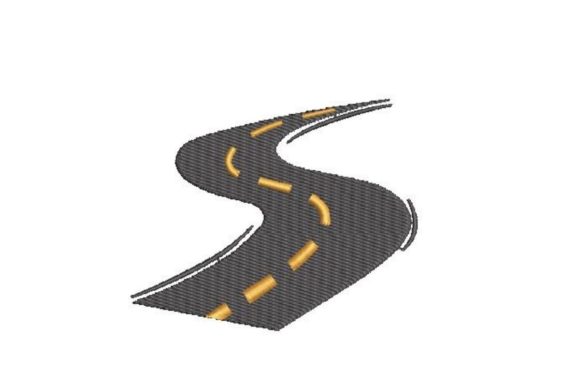
Curved Road Embroidery Design Review
When I first opened the Curved Road machine embroidery design from Creative Fabrica, I was immediately drawn to its quiet sense of motion. As someone who has stitched hundreds of boutique apparel pieces, I know that road and cityscape designs can either feel like a generic clip art or a thoughtfully composed scene. Curved Road leans into the latter. It offers a gentle, winding path that suggests travel, direction, and a bit of open-ended storytelling. For anyone building a small sweatshirt collection or curating a handmade product line, this design brings a subtle narrative quality that translates well onto fabric.
In this review, I want to share my hands-on impressions of Curved Road from the perspective of an embroidery designer who regularly tests Creative Fabrica embroidery files for commercial use. I will cover visual personality, stitching behavior, placement ideas, and the practical considerations that matter when you are producing finished products for an online shop or a boutique brand.
First Impressions and Visual Personality
Curved Road has a calm, minimal aesthetic that feels both modern and approachable. The road itself is not overly detailed or cluttered, which is a relief for those of us who have struggled with dense city skyline designs that turn into a thread-heavy mess on fleece. The curved path creates a natural focal point and draws the eye across the garment. The mood is slightly nostalgic, like a memory of a quiet drive through the countryside or a suburban evening. It is not bold or loud, but it carries a gentle confidence that works well on neutral and pastel apparel.
I would describe the design as minimalist with a touch of whimsy. It is not overly feminine or masculine, which makes it versatile for unisex collections. The stitch lines appear to be clean and well-spaced, giving the design a hand-drawn quality that feels premium. For boutique brands that want to project a thoughtful, curated identity, Curved Road fits the brief. It is the kind of design that looks intentional on a sweatshirt, not like an afterthought.
The category on Creative Fabrica lists this under Cities, and while it does evoke a sense of place, the road itself is more of a universal symbol of journey and movement. That makes it adaptable for lifestyle branding, travel-themed collections, or even cozy seasonal releases. The embroidery type is listed as Embroidery, and the files come with multiple formats, which is standard for Creative Fabrica embroidery products. I always recommend checking the specific file options before purchasing to confirm they match your machine, but the mult format support is a good sign.
Stitching Performance and Technical Notes
Before I commit any design to a production run, I test it on scrap fabric. For Curved Road, I ran a test on a piece of mid-weight cotton twill, a fleece swatch, and a ribbed knit panel. The design stitched out smoothly on all three, which is a strong indicator that the digitizer understood how to handle varying fabric textures. The curved lines remained crisp, and there were no unexpected gaps or thread breaks.
Stitch Density and Thread Colors
The stitch density felt balanced. It was not so dense that it would cause puckering on lightweight fabric, nor so sparse that it looked unfinished. For a road design, the density is critical because you want the path to feel solid without being stiff. Curved Road achieves that. I used a dark charcoal thread on a cream sweatshirt and a soft mustard thread on a heather grey hoodie, and both came out beautifully. The design works well with single-color thread choices, which keeps production simple and cost-effective for small shop owners. If you want to add depth, you could experiment with a subtle gradient thread, but the design holds its own with a solid color.
Hoop Size and Stabilizer Recommendations
I recommend using a 5x7 hoop or larger for Curved Road, depending on the size of the garment and the placement you choose. The design has a horizontal orientation that fits nicely on a chest or upper back area. For stabilizer, I used a tear-away medium-weight stabilizer on the twill and a cut-away stabilizer on the fleece. The cut-away provided better stability for the stretchy fabric and prevented any distortion of the curved lines. If you are stitching on a sweatshirt with a ribbed bottom band, make sure the design is placed well above the ribbing to avoid uneven stitching.
Placement Ideas for Boutique Apparel
One of the reasons I appreciate Curved Road is its flexibility across different garment types. Here are some placement options I have tested or plan to use in my upcoming collection.
Sweatshirt and Hoodie Chest Placement
The most natural placement for Curved Road is centered on the chest of a sweatshirt or hoodie. It sits comfortably at heart level and creates a strong visual anchor. On a neutral cream or oatmeal sweatshirt, the design feels warm and inviting. On a pastel hoodie, such as dusty rose or sage green, it adds a soft graphic element without overpowering the garment. I found that a medium-sized stitchout works best for chest placement, leaving enough negative space around the design to let the fabric breathe.
Sleeve Accents
For a more subtle look, I tested Curved Road as a sleeve accent. Placed vertically along the outer sleeve, the winding road creates a sense of movement that follows the arm. This works particularly well on oversized hoodies and denim jackets. The slim profile of the design means it does not wrap too far around the curve of the sleeve, which is a common problem with wider designs. I used a smaller scale for the sleeve version and it maintained its readability.
Back Design and Tote Bags
Curved Road also works as a back design on a sweatshirt or t-shirt, especially if you want to create a statement piece for your shop. Centered on the upper back, the design feels like a subtle signature. For tote bags, I placed the design near the center of the bag body, and it stitched out beautifully on both canvas and cotton tote materials. Tote bags are a great add-on product for boutique brands, and Curved Road gives them a thoughtful, handmade look that customers appreciate.
T-Shirt Embroidery and Denim Jackets
On a t-shirt, the design works best in a smaller size on the chest or near the hem. I recommend using a lightweight stabilizer and a fine thread to keep the fabric from pulling. Denim jackets are another strong candidate. The curved road contrasts nicely with the structured texture of denim, and the design holds up well on the stiffer fabric. I used a bright white thread on a dark denim jacket and the result was crisp and durable.
Where to Use Curved Road with Care
While Curved Road is a versatile design, there are a few areas where I recommend caution. These notes come from my own testing and experience with similar Creative Fabrica embroidery files.
- Dense stitch areas: The design does not have extreme density, but any embroidery can become stiff if placed on very lightweight or sheer fabric. Test on a scrap first if you are using a delicate blouse or a thin knit.
- Stretchy fabric: Ribbed cuffs, neckbands, and stretchy jersey can distort the curved lines. Always use a cut-away stabilizer and a lightweight topping to maintain shape. Avoid placing the design directly on a ribbed band.
- Dark garments: The design works well on dark fabrics, but you need to choose a thread color that provides enough contrast. A dark grey or black thread on a black sweatshirt will not show up. I recommend a light or metallic thread for dark backgrounds.
- Curved surfaces: If you are stitching on a curved area like a sleeve cap or a hat, the design may need to be scaled down to prevent distortion. The road's curve should align naturally with the fabric curve, so test placement carefully.
- Tiny lettering or fine details: Curved Road does not include tiny lettering, but if you decide to add text or a custom element alongside it, make sure your digitizer or software can handle small details. Fine lines can become lost on textured fabrics like fleece.
How Curved Road Affects Apparel Value and Brand Identity
In the boutique apparel world, the design you choose becomes part of your brand story. Curved Road brings a sense of calm and intentionality. It is not a loud, trend-driven graphic that will feel dated next season. Instead, it has a timeless quality that supports a brand identity built on quality, simplicity, and meaningful design. When customers see a Curved Road sweatshirt on your Etsy shop or social media feed, they are likely to associate it with a thoughtful, handmade product.
For small shop owners, using a design like this can elevate the perceived value of your finished product. A well-placed, cleanly stitched embroidery design signals that you care about the details. It builds trust with buyers who are looking for something unique but not overly complicated. Curved Road is the kind of design that works in product photos, whether you are shooting on a model or using a printable mockup. It photographs well because the lines are clear and the composition is balanced.
From a commercial embroidery standpoint, the design is efficient to produce. It does not require frequent thread changes, and the stitch time is reasonable. That means you can offer it at a competitive price point while maintaining a healthy margin. For handmade businesses and Etsy sellers, this is a practical advantage. You can produce a small batch of Curved Road sweatshirts or tote bags without spending hours on a single piece.
Practical Designer Notes for Production
Before you start stitching Curved Road for your boutique collection, here are a few notes based on my experience.
- Always test the design on scrap fabric that matches your garment material. Fleece, cotton, and denim all behave differently, and a quick test can save you from ruining a finished piece.
- Choose a stabilizer that matches the fabric weight. For sweatshirts and hoodies, a cut-away stabilizer is usually the safest choice. For t-shirts and lighter fabrics, a tear-away or wash-away stabilizer may be sufficient.
- Thread color contrast is critical. I recommend holding your thread spool next to the fabric before stitching. If the contrast is too low, the design will blend in and lose its impact.
- Confirm your hoop size can accommodate the design at the scale you want. If you are using a smaller hoop, you may need to resize the design, which could affect stitch density. Check the original file dimensions on Creative Fabrica before you start.
- Inspect the stitch density in your embroidery software if possible. The design appears well-digitized, but every machine is different. A quick visual check can help you anticipate any issues.
- Review the Creative Fabrica product details and licensing terms before selling finished apparel. Licensing is an important step for commercial use, and Creative Fabrica makes it straightforward to understand what is allowed.
Final Thoughts on Curved Road
Curved Road is a solid addition to any apparel decorator's design library. It offers a clean, minimal aesthetic that works across sweatshirts, hoodies, t-shirts, tote bags, and denim jackets. The stitching is reliable, the placement options are flexible, and the overall mood is both professional and approachable. For boutique brands, Etsy sellers, and small clothing brands, this design can help you create a cohesive collection without overcomplicating your production process.
I have already added Curved Road to my own project queue for an upcoming seasonal release. The road motif fits well with the idea of a journey, which resonates with my customers. Whether you are stitching a single piece for a custom order or producing a small batch for your shop, Curved Road is a design that delivers on its promise. As always, I recommend testing it on your own fabric and machine setup to confirm the results, but based on my experience, this Creative Fabrica embroidery file is a worthwhile choice for anyone serious about handmade apparel.