Great Wall of China Embroidery Design Review
As an embroidery designer who has spent countless weekends behind a craft fair booth, I have learned to evaluate a machine embroidery design with a mix of artistic instinct and practical business sense. A design might look stunning on screen, but the real test is whether it catches a customer's eye from across a crowded market aisle, whether it stitches out cleanly on a tote bag, and whether it feels worth the price of a handmade product. Today, I am reviewing the Great Wall of China embroidery design. This is a design that draws from a rich historical and cultural backdrop, and I want to share my honest thoughts on how it performs as a craft fair product, what it offers to small shop owners, and where it might need extra care before you add it to your production lineup.
First Impressions of the Great Wall of China Design
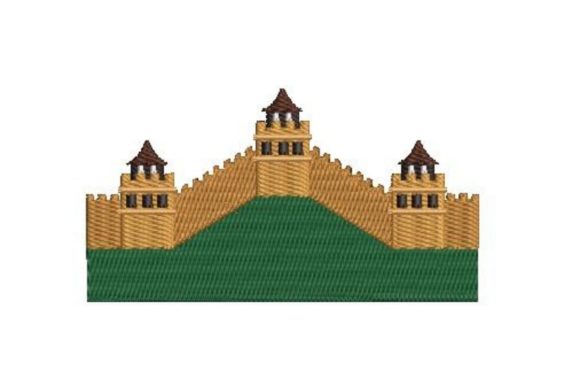
When I first opened the Great Wall of China embroidery file, my immediate reaction was that this design carries a sense of history and grandeur. The title alone suggests something monumental, and the description reinforces that: a series of fortifications built across ancient northern borders for protection. This is not a cute, farmhouse-style sunflower or a whimsical animal. It feels bold, structured, and almost architectural. The mood is serious, elegant, and slightly decorative, with a touch of cultural storytelling. For a craft fair booth, this design stands apart from the typical floral monograms and rustic quotes. It speaks to customers who appreciate travel, history, world culture, or unique statement pieces. If you have a table full of soft, pastel embroideries, the Great Wall of China will immediately draw a different kind of attention. It feels premium, almost like a conversation starter. I can imagine a customer pausing to look at it and then asking, "Where did you find that design?" That is the kind of engagement that leads to a sale.
Tote Bags and Market Bags
Let me start with the workhorse of any craft fair booth: the tote bag. The Great Wall of China design, with its linear, fortification-like structure, translates beautifully onto a sturdy canvas tote. The long, winding shape of the wall fits naturally across the front of a bag, especially if you position it horizontally or at a slight diagonal. I would recommend using a medium to large hoop size to capture the full detail of the wall and any accompanying elements like mountains or towers. The stitch density appears moderate from the file, but you should always test on scrap fabric first. A tote bag with this design feels like a wearable piece of art. It is not a quick impulse buy, it is a product that customers will carry proudly. For a market bag, the design adds a sense of sophistication. I would pair it with neutral or earth-toned fabrics like olive green, navy, or natural linen to let the thread colors pop.
Aprons and Kitchen Towels
Aprons and tea towels are staple products for embroidery sellers, and the Great Wall of China design offers something different here. On a kitchen towel, the design works best as a smaller accent near the hem or centered on the front panel. Because the wall is a linear subject, it can wrap around the towel in a pleasing way. However, I have a caution: kitchen towels often have a textured fabric that can absorb stitch details. The Great Wall of China likely includes small architectural elements like crenellations or towers. If the stitch density is too high, those details might get lost in the weave. I recommend using a lightweight, smooth towel fabric and a medium-weight stabilizer. For aprons, the design feels more at home on the front bib or pocket area. It adds an educational, cultured vibe that appeals to customers who want their kitchen gear to tell a story. Think about displaying it with a sign that says "Wander the World" or "Historic Landmarks" to create a theme.
Embroidered Patches and Caps
Now, let us talk about patches and caps, which are high-margin items at craft fairs. The Great Wall of China design, when reduced to patch size, may lose some of its intricate detail. I would test it at a small scale to see if the wall still reads clearly. If the design has tiny towers or narrow paths, those could blur into a solid line. For a cap, the curved surface adds another challenge. You need to ensure the design is not placed too high, where it might distort, or too low, where it might disappear under the brim. I would consider using the Great Wall of China as a left chest logo on a cap, similar to how you might place a national park emblem. The cultural significance of the design makes it a strong candidate for souvenir-style caps. If you sell at markets near tourist areas, this could be a winner. Just be careful with stitch density on thick cap fabric. Use a cutaway stabilizer and a sharp needle.
Pillow Covers and Fabric Pouches
Pillow covers are a fantastic way to showcase a design in a home decor context. The Great Wall of China embroidery on a pillow cover feels like a piece of world art. I would choose a linen or cotton blend with a subtle texture. The design can be centered or offset, depending on the pillow size. For a 16x16 inch pillow, a 6x8 inch embroidery area would work well. The linear nature of the wall means it can be paired with a contrasting border or a simple frame stitch. Fabric pouches, like zippered cases or cosmetic bags, are smaller products. The Great Wall of China would need to be scaled down significantly, which might compromise the clarity of the design. I would only use it on pouches if the file has a version specifically sized for small hoops. Otherwise, it is better to reserve this design for larger surfaces where the wall can stretch out and impress.
Practical Selling and Production Notes
One of the first things I consider before adding a new design to my craft fair inventory is how easy it is for customers to understand at a glance. The Great Wall of China is instantly recognizable to most people, even if they cannot name every detail. The silhouette of a winding wall with towers is iconic. That is a huge advantage. A customer walking past your booth might not stop to read a description, but they will stop if they see a shape that sparks recognition. The design works well as both a focal point and a smaller accent. On a large tote bag, it becomes the hero. On a patch, it is a subtle nod. For photography, this design photographs beautifully. The contrast between the wall and the background fabric is easy to capture on a smartphone for Etsy listings. I recommend taking photos in natural light and including a close-up of the stitch detail to show the quality of your finished product.
For batch production, the Great Wall of China design feels repeatable. If you are sewing ten tote bags for a weekend market, you need a design that stitches consistently without constant thread breaks. Based on the description, the wall and fortifications suggest a mix of satin stitches, fill stitches, and possibly some small details. I would test the design on scrap fabric first, checking for any areas where the stitch density is too high. Dense areas can cause fabric puckering, especially on lightweight tote bags. If you notice any tight corners or narrow paths, adjust the underlay or stabilizer. I also recommend using a high-quality thread that matches the historical feel of the design. Earth tones, grays, brick reds, and deep greens would complement the theme. Avoid neon colors unless you are going for a modern, ironic twist.
Careful Embroidery Considerations
I want to be direct about the potential pitfalls of the Great Wall of China design. First, the stitch density. The description mentions fortifications, which suggests multiple layers of stitching for walls, towers, and possibly background elements. If the file is dense, it can cause issues on thick fabrics like towels or caps. Always test on a similar fabric to your intended product. Second, tiny details. If the design includes small windows, doors, or crenellations, those details may not hold up at smaller sizes. When you reduce the design to fit a cap or patch, the details can blur into a solid shape. I recommend keeping the design at a size where the wall is at least 4 inches wide to maintain clarity. Third, small lettering. If the design includes text like "Great Wall of China" or any Chinese characters, be very careful with the font size. Lettering under 0.3 inches can become unreadable, especially on textured fabric. If you are using a digital embroidery file, check the file format and confirm that the letters are digitized with proper pull compensation.
Dark fabric is another consideration. The Great Wall of China likely uses a range of thread colors, possibly including grays, browns, and greens. If you stitch it on a dark navy or black fabric, the thread colors need sufficient contrast. Light gray or beige threads will pop, but dark browns might disappear. I recommend using a bright thread for the wall itself and a slightly darker shade for the shadows. Fabric texture matters too. On a smooth, tightly woven cotton, the design will look crisp. On a textured linen or a thick terry towel, the stitches may sink into the fabric and lose definition. Use a medium-weight cutaway stabilizer for most projects, and consider a water-soluble topper for high-pile fabrics. Before you sell a single finished product, create at least one real mockup. Stitch the design out on the exact fabric you plan to use, photograph it, and assess the quality. This is a step that many Etsy sellers skip, but it is essential for building trust with your customers.
Visual Appeal and Booth Display Strength
Let me paint a picture of your craft fair booth. You have a table with tote bags hanging on hooks, a stack of tea towels, a few caps on display stands, and some pillow covers leaning against the back. The Great Wall of China embroidery on a tote bag immediately pulls the eye because of its linear, structured shape. It is not a round floral or a cursive script, so it breaks the visual pattern. Customers who are tired of seeing the same farmhouse motifs will be drawn to something different. This design has a premium, almost museum-quality feel. It suggests thoughtfulness and culture. If you display it alongside a small sign that says "Hand-Embroidered in Small Batches" or "Inspired by World Heritage Sites," you add perceived value. You can also use a printable mockup of the design on a tote bag for your Etsy listing. A mockup helps customers visualize the finished product and increases click-through rates. The design assets you create, like photos and mockups, are just as important as the embroidery itself.
For brand consistency, the Great Wall of China design fits well with a travel-themed or cultural collection. If you have other landmark designs, such as the Eiffel Tower or Machu Picchu, this one will complement them. If your brand is more rustic or farmhouse, this design might feel out of place. I would only add it if you have a customer base that appreciates historical or world culture themes. The design also works as a gift item. Think about a customer buying a Great Wall of China tote bag for a friend who loves history or for a teacher who covers Asian geography. The gift potential is strong. You can even create a small series of cultural landmark designs and sell them as a set. That is a great way to increase average order value at craft fairs.
Embroidery Designer's Final Checklist
Before you finalize the Great Wall of China embroidery design for your next craft fair, I recommend running through this checklist. First, test the design on scrap fabric. This is non-negotiable. You need to see how the stitches behave, whether the thread colors match your vision, and whether the design holds up at the size you intend to use. Second, check thread contrast. Hold the stitched sample against your intended fabric and make sure the wall stands out. Third, review spacing. The design should not be too close to the edges of the product, especially on tote bags where the stitching might interfere with the seams. Fourth, confirm your hoop size. The Great Wall of China may require a larger hoop, like 5x7 inches or 6x10 inches, to capture the full detail. If you only have a 4x4 hoop, you may need to use a smaller version of the design or split it into multiple hoops, which is not ideal for batch production. Fifth, inspect stitch density. If the design has dense areas, use a heavier stabilizer and a sharp needle to prevent thread breaks. Sixth, use the right stabilizer. For most products, a medium-weight cutaway stabilizer will work. For caps, use a stiff cap backing. For towels, use a water-soluble topper to keep the stitches on top of the fabric. Seventh, create at least one real mockup of the design on a finished product. Photograph it for your Etsy store and craft fair display. This gives customers confidence in the quality of your work. Finally, confirm commercial licensing. The Great Wall of China embroidery file likely comes with a license that allows you to sell finished products, but you must check the terms. If you are a digital seller, you also need to confirm whether you are allowed to sell the design file itself. Respect the designer's terms and support the embroidery community.
In conclusion, the Great Wall of China is a strong, distinctive embroidery design that can elevate your craft fair booth. It is not a safe, generic choice, but for the right seller and the right customer, it can be a standout product. The key is to test it thoroughly, pair it with the right fabrics and products, and present it with confidence. If you are willing to put in the preparation, this design has the potential to become a consistent seller in your handmade product lineup. I hope this review helps you make an informed decision for your embroidery business. Happy stitching, and I will see you at the next market.