Independence Day Holiday Tile Review
As an embroidery designer who has prepped for more craft fairs than I can count, I want to share my honest thoughts on the Independence Day Holiday Tile machine embroidery design. This tile-style pattern has real potential for handmade market booths, but like any design, it needs the right approach to shine. Let me walk through what works, what to watch for, and how to turn this into a product that customers will pick up at your booth.
First Impressions at the Booth
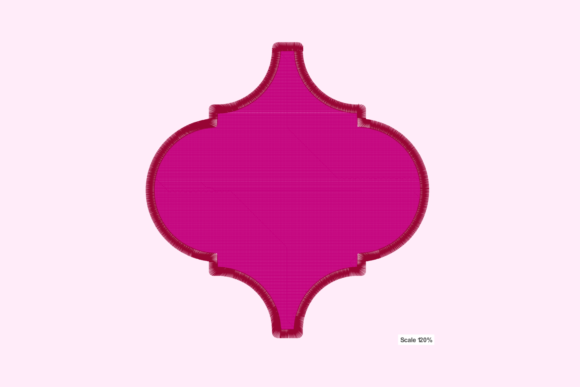
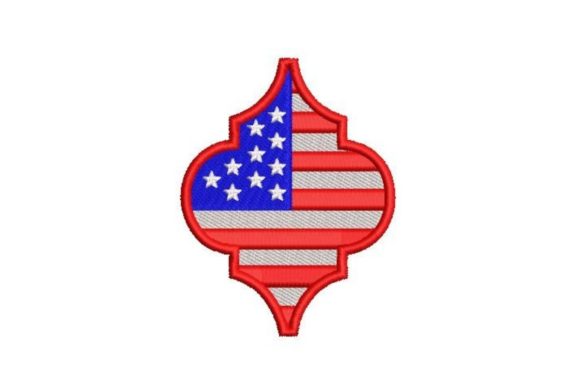
When I first looked at the Independence Day Holiday Tile, I immediately thought of a farmhouse-meets-festive look. The tile structure gives it a decorative, repeating quality that feels both modern and rustic. It is not overly delicate or frilly, which makes it suitable for a wide range of customers. The design reads as bold enough to catch attention from across a craft fair aisle, yet it has enough detail to invite closer inspection.
If you are setting up a booth with tote bags, aprons, or tea towels, this tile pattern can serve as a focal point or a repeating accent. The tile motif naturally suggests a cohesive, handmade look that fits well with patriotic decor. Customers who appreciate handmade product quality will notice the precision of the stitching and the balanced layout.
Best Products for This Design
Based on my experience testing similar tile patterns, here are the products where the Independence Day Holiday Tile performs best:
- Tote bags – The tile design sits well on a sturdy tote. It becomes a conversation starter and a practical item for carrying groceries or market finds.
- Apron embroidery – An apron with this tile pattern near the chest or lower pocket area looks professional and festive. It works for both home cooks and grill masters.
- Tea towel embroidery – Kitchen towels with this design sell quickly at craft fairs, especially if they are displayed in a bundle with matching items.
- Embroidered patch – The tile structure can be stitched as a standalone patch. Customers can iron or sew it onto jackets, bags, or denim.
- Pillow covers – A larger hoop size allows the tile to repeat across the surface, creating a decorative pillow that stands out on a booth shelf.
- Fabric pouches – Small pouches with this embroidery make excellent giftable items. They are quick to produce and easy to price.
- Market bags – Lightweight market bags with the tile design feel intentional and seasonal. They appeal to shoppers looking for reusable options.
I recommend testing the Independence Day Holiday Tile on at least three different fabric types before your first craft fair. The design behaves differently on a stiff cotton tote versus a soft linen towel. Knowing how it looks on each surface will help you guide customers confidently.
Practical Selling and Production Considerations
When you are producing for a craft fair product lineup, speed and consistency matter. The Independence Day Holiday Tile is a repeating pattern, which means you can stitch multiple items in a row once you have the hoop set up. That repeatability is a huge advantage for batch production. I suggest stitching a few identical items at once so you can offer a set discount or bundle deal at your booth.
One thing I always check is how a design photographs for Etsy seller listings or printable mockups. The tile pattern creates a strong visual that crops well for square or vertical product photos. A close-up of the embroidery on a tote bag or apron will show the thread colors and stitch detail clearly. Printable mockup assets can help you list the design across multiple product types without stitching every single one first.
For small shop product planning, I suggest creating at least one real mockup of the Independence Day Holiday Tile on a finished item. Photograph it in natural light, preferably outdoors or near a window. Customers respond to authentic images that show the texture and depth of the embroidery.
Careful Use Notes for Stitch Quality
No machine embroidery design is perfect straight out of the file. Here are the specific points I watch for with the Independence Day Holiday Tile:
- Stitch density – Tile patterns often have dense areas where thread builds up. Test on scrap fabric first. If the stitches feel too tight, reduce the density in your embroidery software or choose a lighter stabilizer.
- Small details – If the tile includes tiny stars, stripes, or lettering, check that they stitch out clearly at the size you plan to use. Tiny details can become muddy on textured fabric.
- Fabric texture – Smooth cotton or linen works best for this design. Thick towels or textured fabrics may cause the stitches to sink or distort the tile pattern.
- Dark fabric – If you stitch on dark fabric, use a lighter thread color for contrast. The tile pattern relies on clear shapes to read well, so contrast is essential.
- Curved surfaces – Caps or curved items require careful hooping and a floating technique. The tile pattern may need resizing for curved surfaces to avoid distortion.
- Hoop size – Confirm the hoop size needed for the embroidery file you are using. If the tile is designed for a large hoop, you may need to adjust your product selection or hoop availability.
I always run a test stitch of the Independence Day Holiday Tile on a scrap piece before committing to a batch. That test run reveals any thread color issues, spacing problems, or stabilizer needs. Adjust your stabilizer type based on the fabric. A tear-away stabilizer works well for stable fabrics, while a cut-away is better for stretchy knits or bags that will see heavy use.
Visual Appeal and Customer Attention
The Independence Day Holiday Tile has a decorative, almost wallpaper-like quality that draws the eye. At a craft fair, customers are scanning dozens of items quickly. A tile pattern offers a sense of order and completeness that feels premium. It suggests that the item was carefully planned, not just quickly stitched.
I have found that handmade product buyers respond well to patterns that look intentional. The tile design gives your booth a cohesive brand feel. If you use the same tile on multiple product types, customers will start to recognize your style. That consistency builds trust and encourages repeat purchases.
For commercial embroidery runs, the tile pattern is versatile enough to work on both small and large items. A small tile on a cap or pouch looks like a subtle accent. A larger tile on a tote or pillow becomes the main feature. This flexibility helps you target different price points and customer preferences.
Brand Consistency and Booth Display Strength
When I design a booth display, I group items by theme and color story. The Independence Day Holiday Tile fits naturally into a patriotic or Americana section. Pair it with items in red, white, blue, and natural linen tones. The tile pattern itself can be stitched in traditional colors or in a more muted palette for a farmhouse feel.
Displaying the design on a tall tote bag or a hanging apron ensures it catches light and attention. I recommend placing it at eye level on your booth table or on a small easel. Customers often need to see the detail up close to appreciate the stitch quality, so have a few samples that they can handle.
If you offer custom color options, mention that in your Etsy seller listings or at your booth. Some customers will want the tile in navy and gold, or in a red-white-and-blue combo. Having a few pre-made samples in different colorways can spark conversations and lead to custom orders.
Practical Embroidery Designer Notes
Here is my production checklist for the Independence Day Holiday Tile:
- Test on scrap fabric – Always run a test stitch before your first batch. Check for thread breaks, tension issues, and design clarity.
- Check thread contrast – The tile pattern needs strong contrast between the design and the fabric. Test light thread on dark fabric and vice versa.
- Review spacing – If the tile repeats, make sure the spacing between repeats is even. Adjust in your software if needed.
- Confirm hoop size – Verify that the design fits your available hoop. If it is too large, resize carefully while maintaining proportion.
- Inspect stitch density – Dense areas can cause fabric puckering. Reduce density if the fabric is lightweight or prone to distortion.
- Use the right stabilizer – Match the stabilizer to the fabric weight. A medium tear-away works for most cotton items, while a cut-away is better for stretchy or heavy fabrics.
- Create at least one real mockup – Stitch the design on a finished product and photograph it. Use that image for your online listings and booth display.
- Compare fabric colors – Hold thread colors against the actual fabric you plan to use. Lighting in a store or online can be misleading.
- Confirm commercial licensing – Before selling finished products, verify that the digital embroidery file includes a commercial use license. Some design assets restrict production quantities or require attribution.
These steps may seem basic, but they save you from wasting time, thread, and fabric. I have seen too many craft fair vendors skip the test stitch and end up with a batch of items that do not meet their quality standards.
Final Thoughts for Craft Fair Sellers
The Independence Day Holiday Tile is a solid choice for any embroidery business looking to add a festive, decorative option to their product line. It reads as premium, repeatable, and visually appealing. Whether you are stitching it onto a tote bag, an apron, or a tea towel, the tile pattern offers a design that customers will notice and remember.
Focus on thread contrast, fabric choice, and proper stabilizer use. Test the design at different sizes to see where it performs best. And most importantly, create a real mockup that you can display at your booth and use in your Etsy seller listings. That tangible sample will give customers confidence in your work and help you close sales.
If you are preparing for a weekend craft fair, add the Independence Day Holiday Tile to your production queue. It has the visual strength to stand out among other handmade product offerings, and the practical repeatability to keep your stitching efficient. With thoughtful preparation, this design can become a reliable bestseller in your booth.