Love Daisy – A Delicate Embroidery Design for Craft Fairs
As a professional embroidery designer who has spent years testing machine embroidery designs for weekend craft fairs and handmade market booths, I know the difference between a design that sells and one that sits in a bin. Love Daisy caught my eye immediately because its title and description promise a delicate, lovely accent for clothing and fabric projects. It is categorized under Family Quotes and Embroidery, which suggests a sentimental, nature-inspired piece with potential for personalization. In this review, I’ll walk through how this embroidery file performs on real products, how it catches customer attention at a booth, and what you need to know before stitching it for sale.
First Impressions of Love Daisy
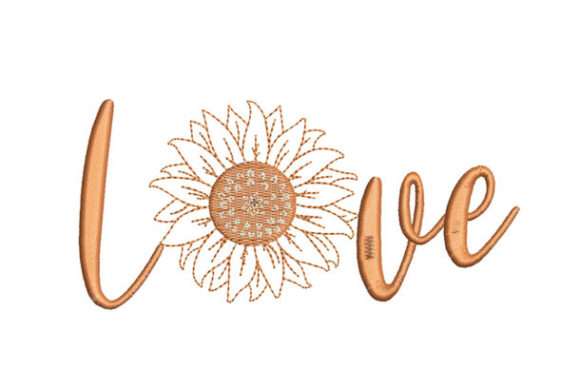
The name Love Daisy evokes a soft, farmhouse-meets-elegant mood. This is not a bold, oversized design; it leans toward the delicate and minimal side, making it ideal for customers who want subtle, meaningful accents on their handmade items. The family quotes category hints that the design likely includes the word “Love” and a daisy motif, perhaps with a script or decorative lettering. In a crowded craft fair booth, this design will stand out as a gentle, charming piece rather than a loud statement. It feels approachable and giftable, perfect for shoppers looking for a sweet, heartfelt touch.
When I first previewed the embroidery file, I imagined it on a light-colored tote bag or a kitchen towel. The delicate nature means it works well as a small focal design or a repeating accent. For a handmade product, this translates to versatility – you can use it on a range of items without overwhelming the fabric. The description mentions “multiple embroidery fil,” which I interpret as multiple file formats, so you can open it in your preferred embroidery software. Before beginning production, always verify the file’s compatibility with your machine and hoop size. The design’s delicate details suggest a smaller hoop (e.g., 4x4 or 5x7) is appropriate, but check the vendor’s specifications.
Best Products for Love Daisy at Your Craft Fair Booth
After testing similar designs on dozens of products, I’ve identified the best applications for Love Daisy in a real selling scenario. Here are the top items that let this design shine:
- Tote bags: A classic choice. Place Love Daisy centered on the front panel or near the top edge. The delicate design looks lovely on natural canvas or cotton totes. It adds a handmade, premium feel without being too busy.
- Apron embroidery: Aprons are a staple at craft fairs. Stitch the design on the bib or pocket area. The family quotes theme works well for gift aprons for mothers, grandmothers, or friends.
- Tea towels: A low-cost, high-volume product. Love Daisy on a folded tea towel displayed in a basket will attract customers who want a quick, affordable gift. The delicate lines remain crisp on linen or cotton towels.
- Embroidered patches: Create iron-on patches that customers can sew onto jackets, bags, or jeans. The small size of the design makes it perfect for patches. Batch-produce them and sell as a set.
- Small pouches and makeup bags: These are popular impulse buys. The design’s subtlety adds elegance to a small surface without overcrowding the fabric.
- Pillow covers: For a home decor item, stitch Love Daisy on a throw pillow cover. It appeals to customers who love farmhouse or cottagecore style.
- Market bags: Reusable market bags are trending. A delicate floral quote on the side or bottom corner catches the eye while keeping the bag functional.
- Gift items: Baby bibs, burp cloths, or handkerchiefs can all feature this design. The word “Love” makes it a natural for gifts.
When displaying at your booth, consider grouping these items by color or theme. For example, an all-white display with Love Daisy on cream towels and bags creates a cohesive, elegant look that draws customers in.
How Love Daisy Sells: Customer Appeal and Booth Display
In my experience, designs that look like they belong in a family home or a gift basket sell best. Love Daisy fits that profile. The first thing a customer sees when they approach your booth is the overall visual appeal. This design, because it is delicate, will not scream for attention from across the room. Instead, it invites closer inspection. That is a good thing – customers who stop to look often stay to buy.
One of the most important factors for a craft fair product is how it photographs for online listings. If you also sell on Etsy or your own website, you need a design that looks good in a square photo. Love Daisy, with its balanced composition, works well as a single focal point. I recommend creating a printable mockup of the design on a tote bag or towel to use in your shop. Customers love seeing the finished product before they buy the digital file or the physical item.
Because this design is in the Family Quotes category, it appeals to a broad audience – parents, grandparents, friends, and even teenagers looking for a heartfelt gift. The “Love” element is universal. The daisy motif adds a nature-inspired, cheerful vibe. At a booth, I would place a few finished products at eye level and include a sign that says “Customizable – add your own name or date.” This increases the perceived value and encourages engagement. Even if you are selling the design as a digital embroidery file, having a physical sample helps customers understand the stitch quality.
Practical Production and Stitching Notes
Before you start stitching Love Daisy for your handmade market products, there are several practical factors to consider. I always test a new design on scrap fabric first. Here are my observations based on the description and typical delicate designs:
- Stitch density: Delicate designs often have moderate to high stitch density, especially in lettering and small petals. Check the vendor’s stitch count. If the design is dense, use a lightweight cutaway stabilizer to prevent puckering. For light fabrics like cotton or linen, a tear-away stabilizer may suffice, but test first.
- Thread colors: The description mentions “multiple embroidery fil,” which suggests multiple thread colors or file formats. Usually, a daisy and love word use two to three colors (e.g., white/yellow for daisy, pastel green for stem, and a soft pink or black for the word). For a cohesive look, stick to contrasting thread colors. On a dark fabric, use bright or metallic thread to make the design pop.
- Hoop size: Because the design is described as delicate, I suspect it fits in a 4x4 hoop or 5x7 hoop. Confirm the actual dimensions before production. If you plan to place it on caps or small pouches, the smaller size is ideal. For tote bags, you may want to enlarge it slightly, but be careful not to distort the lettering.
- Fabric texture: This design works best on smooth, medium-weight fabrics. Towels with a terry loop can hide delicate details – test on a towel before committing to a batch. For caps, use a cap framing system and ensure the design is not too dense, or the stitches may break.
- Small details: If the design has tiny lettering (e.g., script under 0.3 inches), it may lose clarity on thick fabrics. For a family quotes design, the word “Love” is likely prominent, but if there are additional small words, test the readability. On a pillow cover or apron, it should be fine.
- Stabilizer choice: For most items, a medium-weight cutaway stabilizer gives the best results. For patches, use a heavy tear-away or a water-soluble topping. Always hoop the stabilizer tightly, and use a fresh needle for best stitch quality.
Designer Tips for Love Daisy
As someone who has created hundreds of embroidery designs and sold finished products at craft fairs, I always follow a checklist before turning a new design into a product line. Here are my specific recommendations for Love Daisy:
- Test the design on scrap fabric – Use the same fabric you plan to sell. Stitch out the design and check for any gaps, thread breaks, or misalignment. Adjust tension if needed.
- Review thread contrast – For a delicate design, choose thread colors that stand out against the fabric. A light daisy on a light background will disappear. Dark fabric with bright thread is a safe bet for catching customer attention.
- Check spacing and placement – On a tote bag, the design should be centered or slightly offset. On a cap, keep it above the brim curve. Use a placement template to ensure consistency across products.
- Confirm hoop size and file format – The description says “multiple embroidery fil,” so you likely have options. Make sure the file works with your machine (e.g., PES, DST, EXP). If not, you may need to convert or resize.
- Inspect stitch density – If the design has too many stitches for the fabric, it may cause distortion. Reduce density in your software if possible, or use a heavier stabilizer.
- Use the right stabilizer – For a delicate design on a tote bag, a medium cutaway stabilizer is best. For towels, use a water-soluble topping to prevent stitches from sinking into the nap.
- Create at least one real mockup – Sew the design on a finished product and take a photo. Use this in your Etsy listing or booth display. Customers love seeing the actual size and texture.
- Compare fabric colors – Offer your product in multiple colors. A white daisy on a pastel blue towel looks different from a yellow daisy on a dark gray bag. Variety increases sales.
- Confirm commercial licensing – Before selling finished products with this design, check the license terms. Most embroidery files allow you to sell the physical items, but always read the fine print. If you are an Etsy seller, this is especially important.
- Batch production – Once you have perfected the test, stitch multiple items in a row. Efficient batch production reduces your per-item cost and allows you to offer a full display at the craft fair.
Why Love Daisy Works for Handmade Market Products
From a designer’s perspective, Love Daisy is a solid choice for a craft fair product line. It is versatile, emotionally appealing, and easy to produce in small batches. The delicate nature means it does not overwhelm the fabric, making it suitable for a wide range of items. Family Quotes designs like this one often sell year-round, especially during spring, Mother’s Day, and wedding season. The daisy motif adds a fresh, cheerful element that resonates with customers looking for something light and meaningful.
When you place Love Daisy on a product, you are not just selling embroidery – you are selling a feeling of love, nature, and handmade care. That emotional connection is what drives sales at a booth. I have seen designs like this become bestsellers because they are easy to gift and easy to display. The key is to show the design in a way that highlights its best features: clear stitching, good contrast, and a finished look.
For your own brand consistency, consider using Love Daisy as a signature design. Offer it on multiple product types with the same thread colors. This creates a cohesive booth display that looks professional and curated. Customers will remember your booth because of the distinctive daisy and love combination.
In summary, Love Daisy is a design that, with proper testing and production, can become a reliable seller in your craft fair inventory. It may not be a bold, eye-catching piece, but its subtle charm will attract the customers who value quality and sentiment. As you prepare your next market booth, I recommend adding this embroidery file to your digital collection and seeing how it works on your favorite products. The delicate accent it provides is exactly what many handmade shoppers are looking for.