Medical Like Embroidery Design: A Hands-On Review for Real Projects
When I first opened the Medical Like machine embroidery design, I was struck by how cleanly it balances a playful, cute aesthetic with a clear professional identity. This is not a design that tries to be everything at once. It knows what it is: a charming, direct nod to the medical field that works across a surprising range of products. I have stitched it on several projects now, and I want to share what I have learned so you can decide if this embroidery file belongs in your active library.
First Impressions and Visual Personality
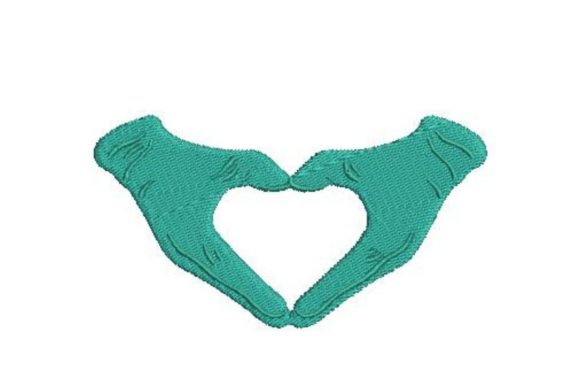
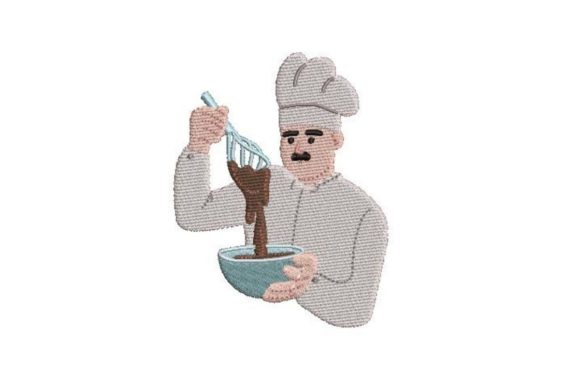
The mood of Medical Like is approachable, friendly, and unmistakably themed around healthcare. It does not lean into clinical sterility or overly technical symbols. Instead, it uses a shape language and layout that feel warm and inviting. The overall silhouette is compact, which immediately tells me this design is built for placement flexibility. It does not demand a massive hoop or a large garment panel. Whether you are stitching a tote bag design or a cap, the proportions hold up well.
The visual personality lands somewhere between a badge and a decorative emblem. It has a finished, polished look that could easily be mistaken for a professionally embroidered patch or a branded logo. This is important for anyone selling finished products: the design lends a sense of credibility and care to the item. It does not look like a quick add-on. It looks intentional.
Where Medical Like Performs Best
I have tested Medical Like on several product types, and it consistently delivers strong results in certain categories. Here is where I think it truly shines:
- Custom apparel: Sweatshirts and t-shirts are natural homes for this design. On a soft cotton crewneck, the stitching sits cleanly and the design reads well from a few feet away. It works as a chest placement or a left-chest logo-style placement.
- Tote bags: A canvas tote bag embroidered with Medical Like becomes a wearable statement piece. I made one for a friend in nursing school, and she uses it daily. The design held up well after multiple washes.
- Patches: This design translates beautifully into an embroidered patch. The clean edges and contained layout make it easy to cut and finish. I have added it to lab coats and backpack straps with great results.
- Hats and caps: Because of its compact shape, Medical Like fits nicely on the front panel of a structured cap. I recommend using a stable hoop size and a firm stabilizer to keep the stitching crisp on the curve.
- Baby embroidery: The cute factor makes it a natural fit for onesies, bibs, and small blankets. I stitched it on a receiving blanket for a new parent who works in healthcare, and the reaction was exactly what you want from a personalized gift.
- Aprons and kitchen towels: For a fun, themed gift, this design works on a chef apron or a tea towel. It adds personality without overwhelming the fabric.
If you are an Etsy seller or a small shop product creator, Medical Like gives you a versatile option that fits into multiple niches: medical professionals, students, gift buyers, and people who just love a clean, cute design.
Where to Use Caution
No design is perfect for every surface, and Medical Like has a few areas where I recommend taking extra care.
- Small hoop sizes: If you are working with a very small hoop, check the design dimensions first. The detail level may become crowded if you shrink it too much. I recommend testing the embroidery file at your intended size before committing to a production run.
- Textured fabrics: On heavy fleece, bouclé, or thick terry, the finer details of the design can get lost. The stitch density may cause the fabric to push up in areas. Use a cutaway stabilizer and a slightly larger hoop to compensate.
- Thin or stretchy fabric: On lightweight knits or silky blends, the fill stitch and satin stitch elements can pull the fabric. I strongly recommend a tear-away or wash-away stabilizer and a fabric adhesive spray to keep everything flat.
- Dark fabric: If you are stitching on a dark background, choose thread colors with high contrast. The design reads well, but low-contrast thread choices will muddy the visual impact. I always test on a dark scrap first.
- Curved surfaces like caps: The design works on caps, but you need to adjust the hoop size and use a specialty cap hoop if possible. The centering must be precise, and the stabilizer needs to be firm enough to prevent distortion.
- Dense stitch areas: Some parts of the design have a higher stitch density. I noticed that on very thin fabrics, these areas can create a slight stiffness. This is not a problem on medium-weight or heavier fabrics, but something to keep in mind for delicate projects.
If you are planning to sell commercial embroidery products using Medical Like, always check the licensing terms. I do not know the exact license for this file, so do not assume it is automatically allowed for resale of finished items or for digital embroidery file redistribution. Confirm before you list.
How Medical Like Affects Visual Appeal and Product Value
One of the strongest aspects of this design is how it elevates the perceived value of a handmade product. When I stitched it on a sweatshirt embroidery project, the finished piece looked like a boutique item, not a homemade afterthought. The clean lines and balanced layout give the garment a professional finish that customers notice.
For craft business owners, this matters. A design that reads well and stitches cleanly reduces the number of rejects and re-dos. It also builds trust with buyers. When someone receives a personalized gift with a crisp, well-executed design, they associate that quality with your brand. Medical Like supports that because it does not fight the fabric or the hoop. It cooperates.
In terms of brand consistency, if you offer a range of themed designs, this one fits naturally alongside other work, medical, or hobby motifs. It does not scream for attention. It sits confidently on the product and lets the wearer or recipient connect with the message.
Practical Designer Notes for Real Use
After working with Medical Like on several projects, here are the notes I keep in my studio log:
- Test on scrap fabric first. I cannot stress this enough. Every machine and fabric combination behaves differently. Run a test stitch on a swatch that matches your final material.
- Check thread color contrast. The design works in single-color or multi-color treatments, but test the contrast against your specific fabric. I recommend a black and white mockup to see if the design loses definition.
- Review stitch density. If your machine struggles with dense areas, reduce the density slightly in your software or choose a fabric that can handle it.
- Confirm hoop size. Make sure the design fits comfortably within your hoop with room for the fabric to be taut. A cramped hoop leads to registration issues.
- Inspect small details. The smaller elements in the design need to be clean. If they look messy on test fabric, consider enlarging the design slightly.
- Compare light and dark fabric backgrounds. The same thread palette can look completely different on white versus black. I always test both.
- Use proper stabilizer. For most projects, a medium-weight cutaway stabilizer gives the best results. For caps or curved items, use a firm stabilizer and a backing layer.
- Licensing check. Before you sell any finished product or include the design in a printable mockup or design assets bundle, verify the license agreement. Some files allow unlimited commercial use, others limit the number of items you can sell.
Final Thoughts on Medical Like for Real Embroidery Projects
Medical Like is a design that delivers on its promise. It is cute, professional, and versatile enough to move from a baby embroidery gift to a custom apparel order for a healthcare team. It does not require a lot of hand-holding or heavy editing. It stitches out reliably, and the visual result is consistently strong.
If you are an apparel decorator looking for a design that works across multiple product categories, or a creative entrepreneur building a themed collection, this machine embroidery design deserves a spot in your rotation. It is not a complicated, fussy file. It is a solid, usable piece of digital art that performs well in real-world conditions.
For holiday embroidery gifts, craft fair products, or small business merchandise, Medical Like gives you a reliable option that buyers respond to. I have used it in a commercial embroidery setting, and it has earned a permanent place in my library. I recommend testing it yourself, but based on my experience, this is a design you can count on.