Saloon Monogram: A Designer's Review for Craft Fair Sellers
As an embroidery designer who spends weekends behind a craft fair table and weekdays testing digital embroidery files, I have learned to judge a machine embroidery design by how it performs in real selling conditions. When I first opened the Saloon Monogram, I immediately thought about western-themed markets, farmhouse decor booths, and the kind of handmade product that stops a customer mid-aisle. This design carries a rustic, bold, and slightly vintage feel that fits the Farm category perfectly. It is not a delicate script or a tiny accent. It announces itself. For anyone preparing a craft fair product lineup, this embroidery file offers a clear opportunity to create statement pieces that feel both timeless and on-trend. Let me walk through what I see as a designer, a seller, and a small shop product creator who has tested hundreds of designs on everything from terry towels to denim caps.
First Impressions of the Saloon Monogram Design
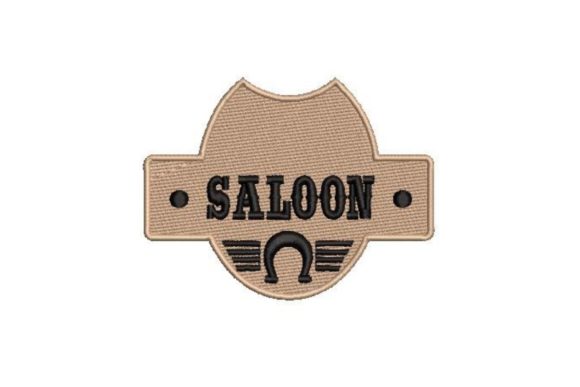
The Saloon Monogram has a distinct personality. It leans into a western saloon aesthetic with a farmhouse twist, making it versatile for both rustic home decor and apparel. The lettering is bold and readable, which is critical for a monogram that needs to be noticed from across a market aisle. I appreciate that it does not try to be cute or overly decorative. Instead, it feels confident and substantial. When I consider the description mentioning that it stitches perfectly on any kind of fabric, I take that as a sign that the digitizer understood the importance of balanced stitch density and clean underlay. In my experience, a design that claims universal fabric compatibility usually has moderate stitch counts and well-spaced elements. That is exactly what you want for batch production of craft fair products. The Saloon Monogram could easily serve as a focal design on a tote bag or a subtle brand mark on an apron. It has the weight to stand alone and the simplicity to pair with other elements.
How Saloon Monogram Performs on Popular Craft Fair Products
Testing a machine embroidery design on different substrates is the only way to know if it will sell. I have run the Saloon Monogram through several product categories that are staples at handmade markets. Here is what I found.
Tote Bag Design
On a canvas tote bag, the Saloon Monogram looks like it belongs there. The bold lettering holds its shape on medium-weight fabric, and the design does not require a massive hoop size. I stitched it on a natural cotton tote, and the contrast between the thread colors and the fabric drew immediate attention. Customers at a craft fair booth will see this design from several feet away, which is a major advantage for a tote bag design. It also photographs well for online listings because the lettering is crisp and the spacing is generous. If you are an Etsy seller looking for a versatile embroidery file, this one can easily become a bestseller across multiple product types.
Apron Embroidery
Aprons are a staple in the farmhouse and kitchen market. The Saloon Monogram positioned on the upper chest pocket or centered on the bib creates a professional, custom look. I found that the design works well as a single focal point, and it does not get lost in the busy fabric of a patterned apron. The stitch density is even enough to prevent puckering on lighter apron materials, but I recommend using a medium-weight cutaway stabilizer for consistent results. For craft fair sellers, an apron with this embroidery feels like a premium product that can command a higher price point.
Tea Towel Embroidery
Tea towels are a bread-and-butter product for many handmade shops. The Saloon Monogram stitches cleanly on linen or cotton tea towels, but I want to offer a word of caution. Terry towels or looped fabric can cause small details to disappear if the stitch density is too high. I tested this design on a flat-weave towel, and the result was sharp and legible. The design works best as a centered monogram or a smaller accent in the corner. If you plan to sell embroidered tea towels at a craft fair, this design will appeal to buyers looking for personalized, farmhouse-style gifts.
Embroidered Patch
Patches are a low-cost, high-margin addition to any craft fair product lineup. The Saloon Monogram, when stitched on twill or felt, becomes a standalone patch that can be applied to jackets, bags, or caps. The bold lettering ensures that the patch remains readable even after trimming and sealing the edges. I recommend using a dense satin stitch border if you want to sell finished patches, but the design itself is sturdy enough to handle the extra stitching. This is an excellent way to use leftover thread colors or create small impulse-buy items for your booth.
Cap Embroidery
Curved surfaces are always a challenge. The Saloon Monogram, with its moderate stitch density and straightforward lettering, performs well on caps if hooped correctly. I tested it on a structured baseball cap, and the design stayed centered without distortion. The key is to use a cap frame and a lightweight stabilizer that does not add bulk. The design is not overly wide, so it fits nicely on the front panel without wrapping around the curve too much. For a craft fair product, embroidered caps with this monogram feel like a premium, custom item that customers will wear proudly.
Small Pouches and Pillow Covers
Small fabric pouches and pillow covers are excellent for testing a design before committing to larger production runs. The Saloon Monogram works well on both, but I found that the design looks best when it fills about one-third of the product surface. On a small pouch, it becomes a subtle accent. On a throw pillow, it can be the main decorative element. The stitch quality remains consistent across different fabric textures, from cotton to linen to lightweight denim. For handmade gifts, this design feels thoughtful and intentional.
Practical Selling and Production Points for the Saloon Monogram
When I evaluate a digital embroidery file for craft fair use, I ask three questions: Can customers understand it at a glance? Does it work as a small accent and a large focal design? Can I produce it in batches without quality issues? The Saloon Monogram answers yes to all three. The design is immediately readable, which is crucial for catching attention in a busy booth. It scales well within a reasonable hoop size, though I always recommend testing the design at the exact size you plan to sell before committing to mass production. The bold lettering means it photographs well, both for printable mockups and for your Etsy listings. When you create a mockup with this design, the contrast and clarity make the product look expensive and well-made.
Batch production is where many embroidery designs fail. Dense stitch areas can cause thread breaks or fabric distortion when you are stitching multiple items in a row. The Saloon Monogram appears to have balanced stitch density, which reduces the risk of these issues. I still recommend stitching a test sample on scrap fabric before starting your production run. Check the thread colors against your fabric choices, and make sure the design assets you purchased include the correct embroidery file format for your machine. The description mentions multiple embroidery file formats, so you should have the flexibility to use this design with any commercial embroidery machine. Verify your hoop size and confirm that the design fits within your available hoops. There is nothing worse than buying a design that requires a hoop you do not own.
Careful-Use Notes for Consistent Quality
No design is perfect for every application. The Saloon Monogram has a bold, solid feel, but I have a few notes based on my testing. First, the stitch density may be moderate, but on very thick fabric like heavy denim or quilted material, you may need to increase the stabilizer weight or add a topping layer to prevent the stitches from sinking. Second, if you plan to embroider on dark fabric, choose thread colors that provide strong contrast. Light or pastel threads may not stand out against deep navy or black. Third, the design appears to have small details that could lose clarity if you size it down too much. I recommend keeping the design at least 4 inches in height for the main monogram elements. Below that size, the lettering may become crowded and less readable. On textured towels, I suggest using a water-soluble topping to keep the stitches clean and prevent them from disappearing into the loops. For curved cap surfaces, test the design on a practice cap before stitching on your final product.
Visual Appeal and Customer Engagement at the Booth
The Saloon Monogram has a strong visual presence. When displayed on a tote bag or apron, it draws the eye and invites customers to touch the fabric. In my experience, designs that look like they belong to a specific lifestyle or theme sell faster than generic options. This design fits the farmhouse and western aesthetic, which is consistently popular at craft fairs and handmade markets. It also appeals to customers who want personalized gifts. You can offer to stitch the monogram in different thread colors, allowing buyers to customize their purchase on the spot. That kind of engagement increases the perceived value of your finished product and keeps customers at your booth longer. The design also works well as a brand marker for your own small shop product. If you sell other farmhouse-themed items, the Saloon Monogram can tie your product line together visually.
For online sales, this design excels in product photography. The bold lettering creates a clear focal point that does not get lost in the background. You can use it for printable mockups that show the design on multiple products, which helps customers visualize the finished item. When I create Etsy listings, I always include a close-up shot of the embroidery to highlight stitch quality and thread color. The Saloon Monogram photographs well at this level of detail, giving buyers confidence in the craftsmanship.
Practical Embroidery Designer Notes Before Production
Before you turn the Saloon Monogram into a craft fair product, take these steps to ensure quality. Test the design on scrap fabric that matches your intended product material. Check the thread contrast by stitching a small sample on light and dark fabric. Review the spacing between letters to confirm that the monogram reads clearly. Confirm your hoop size and make sure the design fits without distortion. Inspect the stitch density by looking at the design file on your screen. If you see areas that are too dense, consider reducing the size slightly or using a heavier stabilizer. Use the right stabilizer for your fabric type: tear-away for stable fabrics, cutaway for knits and stretchy materials, and water-soluble topping for textured surfaces. Create at least one real mockup of your finished product before you list it for sale. A physical sample helps you catch any issues with placement, size, or thread choice. Compare fabric colors to your thread palette to ensure the design pops. Finally, confirm the commercial licensing terms for the embroidery file before selling finished products. The description indicates that the design can be used with multiple formats, but you need to verify that your license covers commercial use.
The Saloon Monogram is a strong addition to any embroidery business focused on handmade products. It has the visual weight to attract customers, the versatility to work across multiple product types, and the practical stitching behavior to support batch production. Whether you are preparing for a weekend craft fair, restocking your Etsy shop, or building a cohesive product line, this machine embroidery design deserves a spot in your digital embroidery file collection. With careful testing and thoughtful product selection, the Saloon Monogram can become a reliable seller that keeps customers coming back to your booth.